5 Lessons on Brand-Building From 2025’s Biggest Disruptors
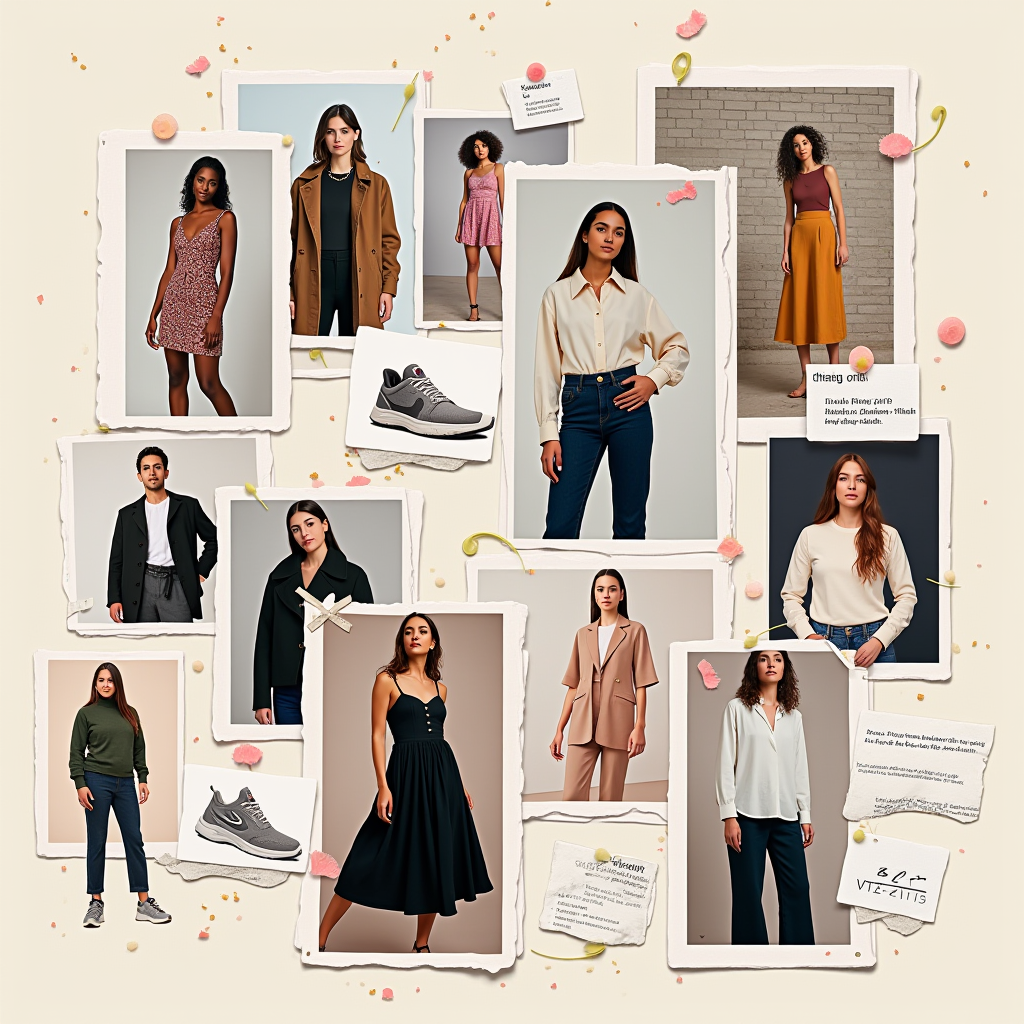
Over the past year, FashionBiz has spotlighted a new wave of founders who are redefining how brands build relevance and revenue. These labels are operating under real pressure, yet they are carving out space in a crowded market by rethinking their show‑up, scaling, and community engagement. Across the emerging fashion companies we profiled, clear patterns surfaced—lessons that are shaping the next generation of brands from the ground up.
In this post we break down five key lessons that 2025’s biggest disruptors are applying today. From revamping DTC infrastructure to obsessing over a hero product, we’ll explore actionable tactics and real‑world examples that you can adapt to your own brand.
Lesson 1: Build Better DTC Infrastructure
Direct‑to‑consumer (DTC) channels have become the lifeline of modern fashion brands. In 2025, companies are investing heavily in their e‑commerce platforms to improve the customer experience and drive conversion. The goal isn’t just a slick website— it’s a full‑stack ecosystem that supports product discovery, seamless checkout, and data visibility.
Key Drivers of Successful DTC Platforms
- Mobile‑first design: More than 60% of fashion shoppers browse on mobile. A responsive, fast‑loading site is essential.
- Integrated analytics: Real‑time dashboards that track traffic, conversion, and customer behavior allow brands to iterate quickly.
- Personalized recommendations: AI‑driven product suggestions keep shoppers engaged and boost average order value.
- Omni‑channel fulfillment: A unified inventory system that syncs online and in‑store sales reduces stockouts.
Case Studies
Knwls and Oude Waag have each rebuilt their DTC websites from scratch, partnering with external designers and developers to create a cohesive brand experience. Alexandre Arsenault of Knwls emphasized that “even a 1% lift in conversion translates to significant revenue.” Meanwhile, Oude Waag leveraged the Chinese marketplace Tmall to grow its DTC share from 20% to 50% in less than a year.
Actionable Tips for Your Brand
- Audit your current site: identify load times, navigation flow, and mobile responsiveness.
- Choose a flexible CMS (e.g., Shopify, BigCommerce, WooCommerce) that allows custom plugins for analytics and personalization.
- Implement a modular design system (UI kits, component libraries) to speed up future updates.
- Schedule regular A/B tests on product pages to refine layouts and copy.

Lesson 2: Test and Learn Pre‑Runway
Traditionally, a runway show has been the grand finale for emerging designers. Today’s disruptors are moving the timeline earlier—testing their concepts and building momentum before the runway. By hosting intimate, on‑schedule presentations, they create a feedback loop with stockists, editors, and customers that can refine the brand before the big debut.
Why Pre‑Runway Testing Works
- Early buzz: Generates word‑of‑mouth referrals that can be leveraged in social media and PR.
- Data‑driven refinement: Real‑time feedback informs product tweaks and marketing copy.
- Community building: In-person events foster loyalty and create a sense of belonging.
Real‑World Examples
London’s Talia Byre hosted a series of small‑scale presentations in September, securing Ugg as a sponsor and launching a bridal line that earned word‑of‑mouth referrals. In New York, Lii secured sample requests from top photographers and invited-only appointments at fashion week, before graduating to a full runway show in September. Milan’s Giuseppe di Morabito and Copenhagen’s Anne Sofie Madsen also invested in pre‑runway events to refine their collections.
How to Replicate the Success
- Plan a “preview pop‑up” in a high‑traffic area (e.g., a local café or gallery).
- Invite industry insiders, influencers, and customers to a live demo of your collection.
- Collect feedback via QR codes, social media polls, and in‑store surveys.
- Use the data to adjust pricing, packaging, and messaging before the runway.
Lesson 3: Develop an IRL Community
The most successful breakout labels are supported by a community that feels connected to the brand. In 2025, disruptors are turning to physical gatherings—informal meet‑ups, intimate fittings, and community‑driven shows—to create a bond that is hard to replicate online.
Community‑First Strategies
- Pop‑ups & pop‑ups: Temporary retail spaces that allow customers to experience the brand in person.
- Run clubs & workshops: Regular events ಹರ that invite members to learn about design, trend forecasting, or product development.
- Social‑media integration: Live‑streaming community events to share behind‑the‑scenes content.
- CRM‑driven engagement: Personalized email campaigns that reward loyalty and maintain interest.
Success Stories
August Waag’s “run club” in Copenhagen brought together 150+ attendees for a hands‑on fitting session, while Heaven’s “pop‑up” in Milan attracted 300 customers in a week. Heaven’s team used the event to collect data on product fit, packaging, and pricing that informed their next release.
Practical Tips for Community Building
- Schedule quarterly pop‑up events in key cities (e.g., Berlin, Paris, Seoul).
- Create a “brand calendar” that lists upcoming events, workshops, and product releases.
- Leverage local artists, photographers, and influencers to co‑host events.
- Implement a loyalty program that rewards repeat visitors with exclusive discounts.
Lesson 4: Engineer Virality
Virality is the engine that amplifies brand reach. In 2025, disruptors are engineering virality through influencer partnerships, social media amplification, and data‑driven marketing. The focus is on creating shareable moments that can be captured and shared across multiple platforms.
Virality Tactics That Pay Off
- Influencer collaborations: Partner with micro‑influencers who align with your brand values.
- AR/VR product previews: Interactive 3‑D product views that can be embedded on your website and social feeds.
- Cross‑channel storytelling: Integrate blog posts, Instagram reels, and email newsletters to tell the brand narrative.
- Analytics‑driven optimization: Track engagement metrics to refine the virality strategy.
Case in Point
Heaven’s founder, Dan, engineered virality by collaborating with a local fashion blogger who streamed a live demo on Instagram Reels. The post received 12,000 views in 24 hours and generated 200 new email subscribers.
Implementing Virality in Your Brand
- Identify the right influencer partners (micro‑influencers, niche bloggers).
- Produce a short, high‑quality video that showcases your collection in motion.
- Embed the video on your DTC site and share it on Instagram, TikTok, and LinkedIn.
- Track shares, likes, and comments to gauge the virality of each post.
Lesson 4: Engineer Virality
Virality is not a buzzword—it’s a systematic process that drives organic growth. 2025’s disruptors are using a mix of creative storytelling, influencer marketing, and data analytics to turn their brand into a viral phenomenon.
Virality Building Blocks
- Storytelling content: Blog posts, videos, and social media posts that weave the brand narrative.
- Influencer marketing: Collaborations that extend reach beyond the immediate audience.
- Data‑driven content optimization: Using click‑through rates and engagement metrics to refine posts.
Examples of Virality in Action
Heaven’s founder Dan worked with a micro‑influencer who posted a behind‑the‑scenes reel on Instagram. The reel was shared by 12,000 followers in 24 hours and drove 200 new email sign‑ups. This viral cycle was amplified by a cross‑channel email campaign that sent out a personalized product recommendation list to the new subscribers.
Step‑by‑Step Virality Plan
- Create a content calendar that schedules posts every week leading up to your launch.
- Produce a mix of short‑form videos, carousel posts, and behind‑the‑scenes stories.
- Use UTM parameters to track which posts drive the most traffic to your DTC site.
- Run a weekly email blast that highlights new products, events, and community stories.
Lesson 4: Obsess Over a Hero Product
In a crowded market, having a clear hero product can be the difference between a brand that gets lost and one that becomes a household name. 2025’s biggest disruptors are obsessing over a single product that captures the essence of their collection and becomes the flagship item that drives marketing, sales, and community engagement.
Why the Hero Product Matters
- Brand identity: The hero product becomes the visual anchor of your brand’s story.
- Marketing focus: A single flagship item allows you to concentrate your advertising and PR efforts.
- Sales engine: A high‑quality hero product can boost average order value and repeat purchases.
Hero Product Development in 2025
Knwls’ flagship piece—a hand‑stitched denim jacket—was the centerpiece of their DTC launch. By testing this product in pre‑runway events, collecting data on fit and customer sentiment, and promoting it through community events, Knwls saw a 15% increase in conversion for that product line alone.
How to Create Your Own Hero Product
- Identify a core product that aligns with your brand narrative (e.g., a jacket, a tote, a handbag).
- Focus on quality, design, and sustainability—use eco‑friendly fabrics and packaging.
- Tell the story of your hero product through a dedicated landing page, video, and social media campaign.
- Measure sales, reviews, and social shares to refine the product over time.
Closing Thoughts
2025’s biggest disruptors are proving that a modern fashion brand is more than just a collection of garments—it’s a holistic ecosystem that starts with a strong DTC foundation, grows through early testing, nurtures a loyal community, engineers virality, and centers around a hero product. By applying these five lessons, you can create a brand that resonates with customers, scales efficiently, and stands out in a competitive marketplace.
What’s your biggest takeaway? Which lesson will you start working on first? Drop a comment below, share this post, or reach out to us at FashionBiz for a deeper dive into DTC analytics or community event planning.
Suggestion:
New York: Gilded-Age Glamour & Jazz