Choosing the Best Running Shoes for Your Feet and Goals
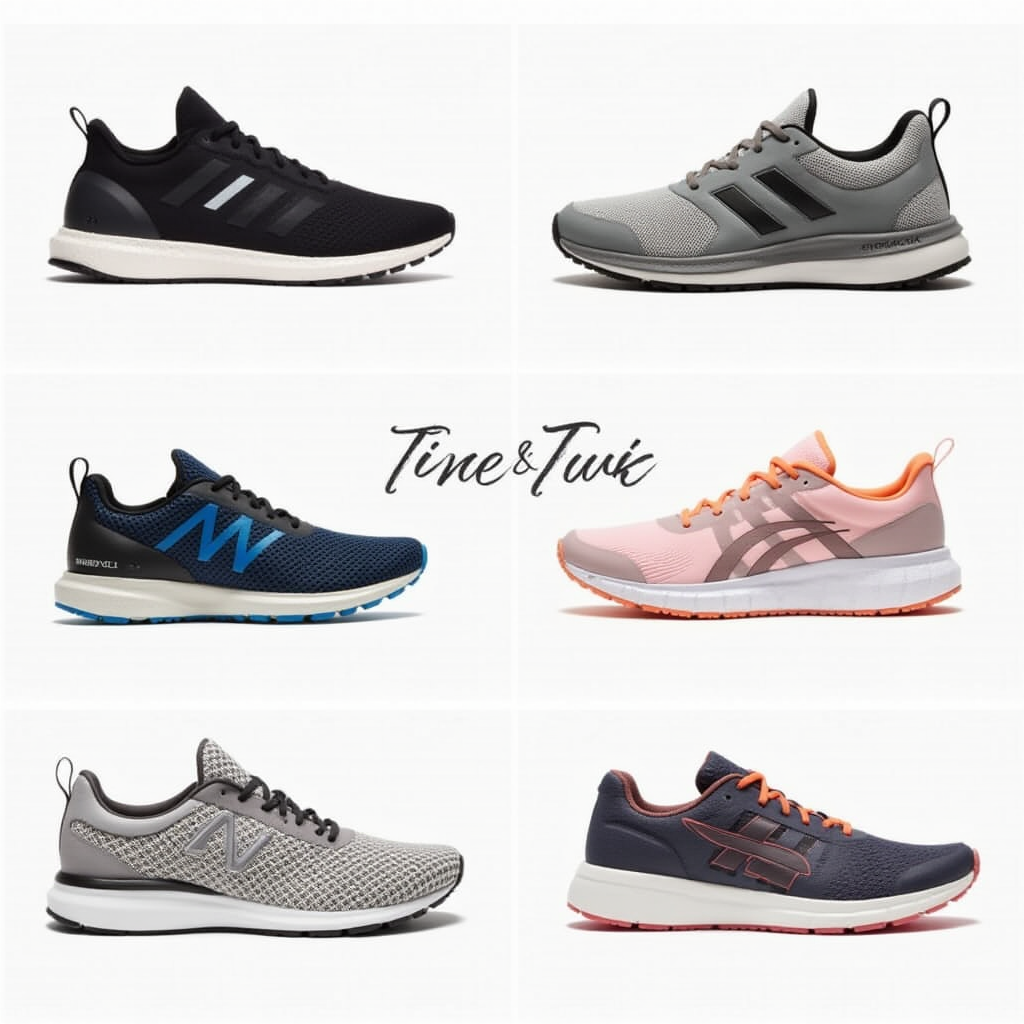
It’s no secret that a good pair of running shoes is one of the most important pieces of gear for any serious athlete. Whether you’re training for a PR‑race, running in a club community event, or simply doing a quick 5‑mile jog, the right shoes can mean the difference between a smooth, injury‑free run and a painful, unsatisfactory experience.
Why Choosing the Right Shoes Matters…
…and how to pick the perfect pair.
What’s the difference between road, terrain‑specific, and race‑day shoes?
Choosing the Right Running Shoes: A Comprehensive Guide
Running is an art that marries science, technology, and personal comfort. The right pair of shoes can make the difference between a pain‑free marathon and a sore‑foot nightmare. In this guide, we’ll walk through the most important factors to consider when choosing running shoes, share expert tips, and provide a curated list of the best models for various needs.
Why Picking the Right Running Shoes Matters
Running shoes are more than just footwear; they are a critical component of your training kit. A well‑chosen shoe can:
- Improve performance and reduce injury risk.
- Enhance comfort and support for your specific gait.
- Provide the right balance of cushioning, stability, and breathability.
- Help you stay motivated by making every mile feel effortless.
Key Variables to Consider
Below is a quick reference to the most important attributes you should evaluate before buying a running shoe.
- Foot Type: Determine whether you have a neutral, pronated, or supinated foot.
- Heel Drop: The vertical difference between heel and forefoot.
- Weight: Lighter shoes typically offer quicker acceleration.
- Breathability: Mesh vs. synthetic materials for ventilation.
- Cushioning Technology: Look for foam types like EVA or polyurethane.
- Arch Support: Midsole and outsole design for stability.
- Durability: Expected lifespan and wear characteristics.
- Fit & Comfort: Width, length, and shape compatibility.
How to Determine Your Gait
Understanding your gait is essential for selecting the right shoe. A gait analysis can be done at a specialty running store or with an online tool. The three primary gait categories are:
- Neutral: Even weight distribution, minimal pronation.
- Pronated: Foot rolls inward slightly during stride.
- Supinated: Foot rolls outward slightly during stride.
Choosing Between Road, Trail, or Race Shoes
Each shoe type is designed for specific terrain and training goals:
- Road shoes: Best for pavement and training runs.
- Trail shoes: Rugged outsole, more grip for uneven surfaces.
- Race shoes: Lightweight, high-performance design for competitive runs.
Step-by-Step Shoe Selection Process
Step 1: Measure Your Foot
Get your foot size and width measured at a running specialty store. Record your length, width, and arch type. This data will guide you to the right model.
Step 2: Test for Comfort & Fit
Try on shoes in the afternoon or evening to avoid swelling. Walk around the store to test the shoe’s feel. Check for:
- Proper heel fit: no slipping or tightness.
- Midsole support: smooth transition from heel to toe.
- Breathability: airy upper material and ventilation.
Step 3: Evaluate Cushioning & Drop
Run in the shoes for a few minutes. Feel the cushioning in the forefoot and heel. The drop should match your stride preference:
| Drop (mm) | Neutral | Pronated | Supinated |
|---|---|---|---|
| 6-7 | 6.5 | 6.0 | 6.5 |
Step 4: Choose the Right Material
Modern running shoes use a variety of materials for upper and midsole:
- Mesh: Breathable and lightweight.
- Synthetic leather: Durable and supportive.
- Composite: Hybrid materials for hybrid cushioning.
Step 5: Finalize the Purchase
Once you’re satisfied with the fit and feel, pick a size that matches your foot measurement. Ask the salesperson for a second pair if you’re unsure. Pay attention to the shoe’s weight, drop, and cushioning.
Top Running Shoe Models for Every Need
Below is a curated list of 12 popular running shoes, grouped by type and feature set. Use the table to compare key specs, such as drop, weight, and cushioning type.
| Model | Type | Drop (mm) | Weight (g) | Cushioning | Price ($) |
|---|---|---|---|---|---|
| Adidas Ultra Boost | Road | 10 | 280 | Boost foam | 160 |
| Nike Air Zoom Pegasus | Road | 8 | 255 | ZoomX foam | 140 |
| Brooks Ghost 14 | Road | 9 | 275 | DNA foam | 150 |
| ASICS Gel-Kayano 28 | Road | 10 | 290 | FlyteFoam | 165 |
| Saucony Kinvara 11 | Road | 8 | 250 | PWRRUN+ | 145 |
| New Balance Fresh Foam 1080v10 | Road | 10 | 285 | Fresh Foam | 155 |
| Hoka One One Bondi 7 | Road | 11 | 310 | VRS foam | 170 |
| Brooks Glycerin 19 | Road | 9 | 290 | DNA foam | 160 |
| Adidas Terrex Agravic | Trail | 9 | 320 | Boost foam | 180 |
| Nike Trail HOVR | Trail | 9 | 310 | ZoomX foam | 170 |
| Asics GT-2000 | Race | 7 | 240 | FlyteFoam | 150 |
Choosing the Best Shoe for Your Foot Type
Below is a quick guide to help you pick a shoe that matches your foot type:
- Neutral feet: Look for a drop between 6-9 mm and a smooth midsole design.
- Pronated feet: Prioritize a slightly lower drop (6-8 mm) and a stable midsole.
- Supinated feet: Choose a drop of 7-10 mm and a cushioned midsole for added support.
Additional Tips for a Successful Shoe Purchase
1. Consider Your Running Style
Do you run on pavement, trails, or a mix of both? Pick a shoe that matches your terrain and mileage goals. Road shoes are lighter, while trail shoes have more grip and durability.
2. Read Reviews & Test Runs
Check online reviews and test the shoe on a short run before committing. Many stores offer a “try‑on” discount for a second pair.
3. Check for Adjustable Lacing
Adjustable lacing systems allow you to fine‑tune the fit and reduce pressure points. Look for shoes with a secure lacing pattern and a comfortable strap system.
4. Pay Attention to the Upper Design
A breathable upper will keep your feet cool and reduce sweat. Mesh uppers are popular for their ventilation, while synthetic leather offers more durability.
5. Keep an Eye on Weight & Drop
Weight influences speed and acceleration, while drop influences stride length. Aim for a shoe that balances both for your running style.
Conclusion
Choosing the right running shoe is a blend of science, personal preference, and practical testing. By following the steps above, you’ll find a shoe that not only fits your feet but also supports your training goals. Whether you’re a seasoned marathoner or a weekend jogger, a well‑chosen shoe can make all the difference.
Ready to find your next running companion? Visit a local running specialty store, try on several models, and make a decision that feels right for you. Happy running!
Suggestion:
Trending destinations and personalized plans: ParadisePilot AI – click to explore!