Anti-Theft, Privacy Protection: Why Fashion Is Turning to ‘Guardian Design’
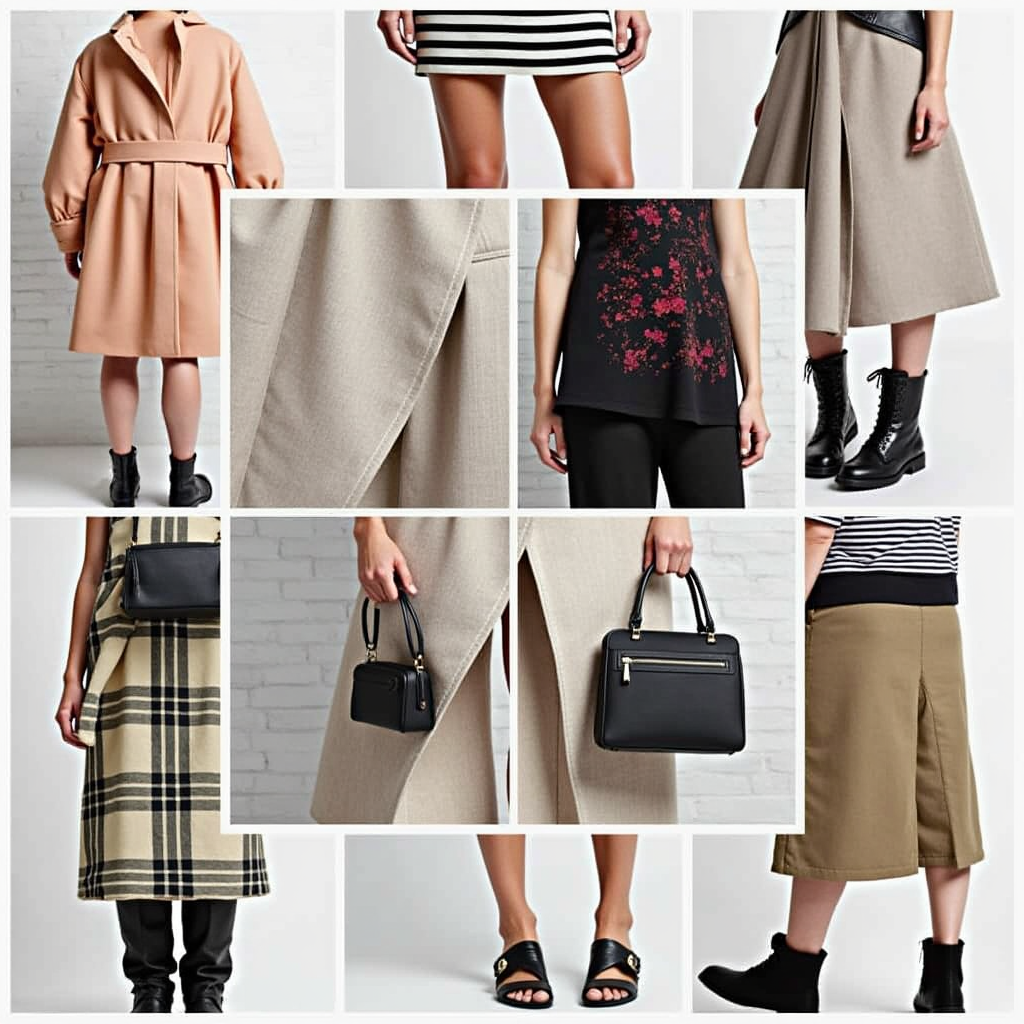
Across global cities, once-occasional gestures have become routine: the pocket pat, the zip check, the instinctive tug of a strap closer to the body. These movements reflect a rising everyday caution on city streets, and an uptick in crime content online, including viral TikToks of attempted theft and clips of people discreetly twisting their engagement rings while on the tube. In a moment of heightened vigilance, fashion is being asked a new question: how do we dress for lives lived on alert?Enter ‘guardian design’, a term identified by trend forecaster WGSN to describe a 2026 macro-trend in which anti-theft and privacy-protection features are aesthetically integrated, built-in components of clothing and accessories. It marks a move toward protection that’s discreet and embedded from the outset — a response to a rising sense of ambient risk. WGSN forecasts “Guardian Design”, where built-in privacy and anti-theft details meet style, as a defining trend of 2026.

The Rise of Guardian Design
Guardian Design is more than a buzzword; it’s a comprehensive approach that blends functionality with aesthetics. As urban mobility increases and consumer expectations shift, designers are weaving security features directly into garments and accessories. The result is a seamless, multi-purpose wardrobe that protects belongings while enhancing visual appeal.
What Does Guardian Design Mean?
Guardian Design can be broken down into three core pillars:
- Anti-Theft Protection: lockable compartments, RFID-blocking pockets, and reinforced seams.
- Privacy Protection: discreet closures, secure anchor points, and ergonomic pockets.
- Style Integration: clean silhouettes, subtle detailing, and material harmony.
Why It Matters in 2026
In 2026, shoppers are not just buying for style; they’re buying for security. With the rise in theft reports and a growing awareness of personal safety, Guardian Design offers a tangible value proposition: clothing that keeps your phone, wallet, and accessories safe while keeping you looking sharp.
Consumer Demand & Market Insights
KPMG research shows that more than half of UK shoppers have cut non-essential spending, with clothing among the first categories to go. The result isn’t a consumer who buys nothing, but one who is far more analytical about why they should buy. Guardian design speaks directly to that calculus.
Crime Trends and Urban Risk
In the UK, there are more than 200 phone and bag snatch thefts every day, according to crime survey data for England and Wales, with around 78,000 people affected in the year ended March 2024 — a 153% year-on-year increase. Across Europe, police-recorded thefts increased by 4.8% and robberies by 2.7% in 2024, according to the European Commission.
Key Consumer Insights
- Consumers value products that offer security without compromising on style.
- Designers need to embed anti-theft features in a way that feels natural and intuitive.
- Practicality and aesthetic harmony are the two main criteria for success.
Design Elements & Functionalities
Guardian Design isn’t just about adding pockets. It’s about integrating multiple protective features into a single, cohesive garment or accessory.
Key Features of Guardian Design
ωμα
• Lockable RFID-Blocking Pockets
• Reinforced Seam and Anchor Points
• Discrete Zip or Snap Closures
• Ergonomic Straps and Straps
Materials & Construction
Materials play a crucial role in delivering both protection and style. Popular choices include:
- Lightweight nylon or polyester blends for durability.
- Water‑resistant membranes for weather protection.
- Warp‑knit or ribbed fabrics for tension and stretch.
Security Features
- RFID‑blocking liners to keep cards and devices safe.
- Lockable zippers or snap buttons for added security.
- Reinforced seams and stitching to prevent wear.
Aesthetic Integration
The design must flow with the garment’s silhouette. Clean lines, subtle detailing, and complementary color palettes help the protective elements blend into the overall aesthetic.
Practical Use Cases
- Morning commute: secure phone and wallet pockets.
- Weekend trips: lockable compartments for luggage.
- Night outings: discreet closures to keep your belongings safe.
Design Tips
- Place pockets strategically: front, back, or side.
- Use slip-on closures for quick access.
- Choose materials that match the garment’s weight and stretch.
Materials & Construction
Guardian Design thrives on a mix of technical fabrics and traditional textiles. Designers are experimenting with:
- High‑tenacity nylon blends for weather resistance.
- Soft polyester for comfort.
- Hybrid fabrics that combine warp‑knit with ribbing.
Case Studies & Inspirations
Here we look at real-world examples of how Guardian Design is being applied across the industry.
Pacsafe & Urban Security
Pacsafe’s new line of “Guardian Bags” incorporates lockable zippers, RFID protection, and a hidden seam that keeps items safe while traveling. Their design is a benchmark for the industry.

Gnuhr’s Warp‑Knit Vest
Gnuhr’s Warp Knit Vest demonstrates how functional details can be woven directly into the fabric. It’s not marketed as security wear, but it provides storage and load‑carrying without the need for a separate bag.

Constant Practice: A New Look
Constant Practice’s “Urban Defender” collection shows how reinforced seams and discreet pockets can be integrated into a jacket that’s both protective and stylish.

Future Outlook & Opportunities
Guardian Design is still in its early stages, but it’s set to become a mainstream trend in the next few years.
Trend Forecast
- By 2028, we expect Guardian Design to account for 18% of new fashion collections.
- Consumers will look for multi‑functional garments that offer security and style in one package.
- Designers will need to keep an eye on sustainability and material innovation.
Opportunities for Designers
- Develop new line of “Guardian” accessories: belts, bags, and jackets.
- Create hybrid garments that combine storage and load‑carrying.
- Collaborate with tech companies to add RFID and other security features.
Conclusion
Guardian Design is a holistic approach that goes beyond the typical pocket. It’s about weaving protection and privacy into a garment or accessory that enhances both functionality and aesthetic appeal. As urban mobility and consumer expectations continue to evolve, Guardian Design will become a mainstay in fashion, expanding the definition of luxury to include not just what we wear, but how safely we move through the world in it.
Get Inspired
Designer tip: start by experimenting with RFID‑blocking liners in the back pocket of a jacket, add a lockable zipper at the front, and reinforce the seam with a tensioned stitch for extra durability.
Contact & More
For more information on Guardian Design, contact us at info@fashionlifestyleblog.com or follow our social media channels for updates.
Suggestion:
AI-powered itineraries based on your preferences and travel style – click for more!