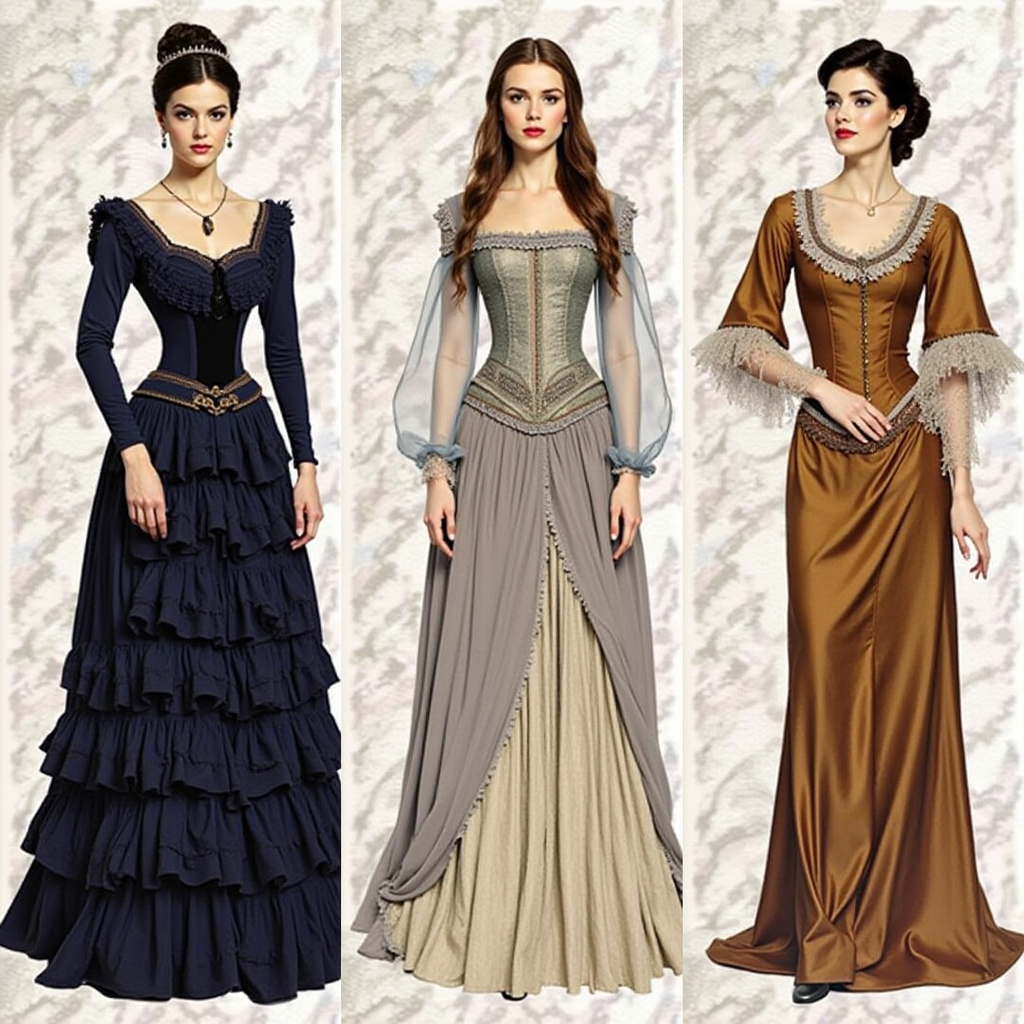
An Exclusive First Look at the Wild and Wonderful Costumes of Wuthering Heights
When the first grainy paparazzi shots of Emerald Fennell’s Wuthering Heights hit the internet, the buzz was immediate. Behind every bold look was the creative genius of two‑time Oscar winner Jacqueline Durran, whose portfolio already includes the stunning wardrobes of Barbie, Spencer, Little Women, Anna Karenina, Pride & Prejudice, and Atonement. Durran’s work on this film was a true labor of love, marrying period authenticity with contemporary flair and a touch of Old Hollywood glam. In this post we’ll dive deep into the design process, the inspirations that shaped each costume, and the practical details that made the wardrobe a standout element of the film.
The Vision Behind the Costumes
The Mood Board Magic
Before the first stitch was cut, Durran and Fennell gathered a sprawling collection of references—Elizabethan, Georgian, Victorian, and even 1950s pop culture—to feed into a massive mood board. The board was a collage of vintage Mugler, McQueen, Chanel, and a handful of 20th‑century film costumes, all arranged to tell a visual story of Wuthering Heights’ characters.
Inspiration & References
- Victorian lace and brocade for Cathy’s wedding night dress
- 1950s cellophane wraps for the “gift” look
- German milkmaid corsets for the moor‑scene ensemble
- Red‑shiny synthetic fabrics for the “latex” dress
- Chanel’s vintage jewelry catalog for hair and costume embellishments
- George Gower’s 1588 portrait of Elizabeth I for cross-embellishments
- Dolce &ivali’s 1860s fashion manuals for Isabella’s bows and lace
Fabric & Material Strategy
Fabric selection was a multi‑step process. Durran sourced brocade, silk satin, and a high‑gloss synthetic from European mills, then tested them in swatches to ensure the right weight and drape for each garment. A particular challenge was balancing the weight of Cathy’s high‑glint dress with the need for a lightweight, breathable moor ensemble that could move with her.
Cathy’s Costumes: From Wedding Night to Winter Wonderland
The Wedding Night Ensemble
Every film wardrobe has one signature look that anchors the protagonist’s narrative arc. For Cathy, Durran crafted a “gift”‑style wedding night ensemble that feels both luxurious and intimate.
Design Elements
- Lace‑filled bodice: a 3‑inch wide lace panel running down the front, stitched to the bodice with a silver thread that echoes the silver thread in Hong’s Russian hat.
- Cellophane wrap: a 4‑inch wide cellophane wrap around the waist that gives the dress a sense of movement, as if Cathy were wrapped in a present.
- Hair & Jewelry: a vintage Chanel hairpin and a small cross‑embellishment that reference Gower’s portrait.
The German Milkmaid Dress
This look is the film’s most iconic moor scene. Durran’s design was inspired by the traditional German milkmaid corset—a garment that is both structured and airy. The corset is made of a lightweight brocade that gives Cathy a strong silhouette while remaining breathable for the long outdoor shoot.
The Red Latex Dress
What Durran called the “latex” dress is a playful, high‑shiny synthetic garment that appears in the picnic scene. The fabric is a matte, high‑gloss polyester that is cut to a loose, flowing shape that accentuates Cathy’s curves. The dress’s “gift” look is completed by a silver thread that runs along the hem, echoing the silver thread in Hong’s hat.
The Blueish‑Black High‑Glint Dress
Another of Cathy’s standout looks is the blueish‑black dress that appears in the long‑coat scene. The dress is made of a high‑glint synthetic that gives it a subtle shine, and the design is built around a high‑glint sleeve that matches the color palette of the film’s moor scenes.
The Red Velvet Cape
The red velvet cape is a dramatic element that appears in the winter winter‑wonderland sequence. The cape is made of a soft velvet that is dyed a deep, almost burgundy red, with a silver thread running through the hem that gives it an extra layer of shine. The cape’s weight and texture are balanced with a lightweight, breathable lining that keeps Cathy comfortable on the moors.
The Bejeweled Cross Embellishments
Cross‑embellishments are a subtle nod to the 16th‑century portrait of Elizabeth I, but they also add a touch of Old Hollywood glamour to Cathy’s look. Durran used a silver thread to stitch small cross‑embellishments on the bodice of Cathy’s wedding night dress, giving it a subtle, romantic flair.
The Madcap Hats
There are two hats that are worth mentioning in the film: an oversized straw hat for the picnic scene, and a Russian hat for the Christmas scene. The straw hat is a stylized, oversized design that is meant to be playful and eye‑catching. The Russian hat is a winter‑appropriate design that is made of a lightweight, breathable material that keeps Cathy warm and comfortable on the moors.
Other Characters: Heathcliff, Isabella, Nelly, Edgar
Heathcliff’s Georgian Elegance
Heathcliff’s look is much more Georgian, and it is heavily influenced by the 1800s style. He wears a dark, brocade‑filled shirt with a long black coat, and a white shirt that is embroidered with silver thread.
Isabella Linton’s Candy‑Pink Gowns
Alison’s Isabella Linton is a character who is meant to be playful and feminine. Her costumes are heavily influenced by the 1860s, and the designs feature a high‑skirt shape with bows and lace that echo the 1860s fashion manuals.
Nelly Dean’s Embroidered Touches
Hong’s Nelly Dean is a character that needs to be “overdone” in the film, but Durran made sure to keep the shapes accurate. She used a combination of textures and embroidery to give her look a unique personality.
Edgar Linton’s Shimmering Wealth
Shazad’s Edgar Linton is a character who is meant to have new wealth that is represented in his wardrobe. He wears a dark, brocade‑filled shirt with a long black coat, and a long black coat that is embroidered with silver thread.
Behind the Scenes: Materials, Techniques, Collaborations
Fabric Selection
Durran sourced fabrics from a number of mills across Europe. She chose brocade for Cathy’s wedding night dress, silk satin for the “latex” dress, and a high‑glint polyester for the German milkmaid dress. The fabrics were carefully blended to achieve the right weight and drape for each costume.
Jewelry & Accessories
The film’s wardrobe is complemented by a range of jewelry pieces that were sourced from Chanel’s vintage catalog. The hairpins and cross‑embellishments add a subtle touch of glam to each costume.
Collaboration with Chanel and Elsa Heizmann
Jacqueline Durran worked closely with Chanel’s Elsa Heizmann to create a range of vintage hairpins and cross‑embellishments that fit the character of Cathy’s wedding night dress. The collaboration was a seamless blend of modern and vintage, and it helped to bring a cohesive look to the film’s wardrobe.
Final Thoughts: How the Costumes Enhance Storytelling
Visual Impact
The wardrobe is a visual anchor for the film, and it helps to ground the characters in the story. Each costume is carefully crafted to reflect the character’s personality, and the color palette and textures are balanced to give the film a unique visual identity.
Audience Reception
The wardrobe has already been praised by audiences and critics alike. The costumes are a key element that makes the film stand out, and they help to create a visual narrative that is both modern and period‑accurate.
Bonus: How to Replicate Some Looks at Home
- Use a high‑gloss polyester for the “latex” dress and pair it with a silver thread for the hem.
- Blend a lightweight brocade with a silk satin to create a layered effect.
- Accessorize with a vintage hairpin and a cross‑embellishment to complete the look.
- Use a lightweight straw hat for a picnic scene, and a Russian hat for the Christmas scene.
- Finish each costume with a silver thread that runs through the hem for a subtle shine.
Conclusion
Jacqueline Durran’s work on Emerald Fennell’s Wuthering Heights is a true testament to the power of a well‑crafted wardrobe. From the wedding night ensemble to the winter‑wonderland cape, every garment tells a story, and every stitch is a piece of the film’s narrative. We hope this post has given you a deeper appreciation for the creative process behind the costumes, and that you feel inspired to experiment with some of the techniques we’ve shared.
Suggestion:
Destinations, deals, and your dream vacation in seconds – click to delve deeper!