13 Stylish Films to Watch Before Wuthering Heights, According to Emerald Fennell
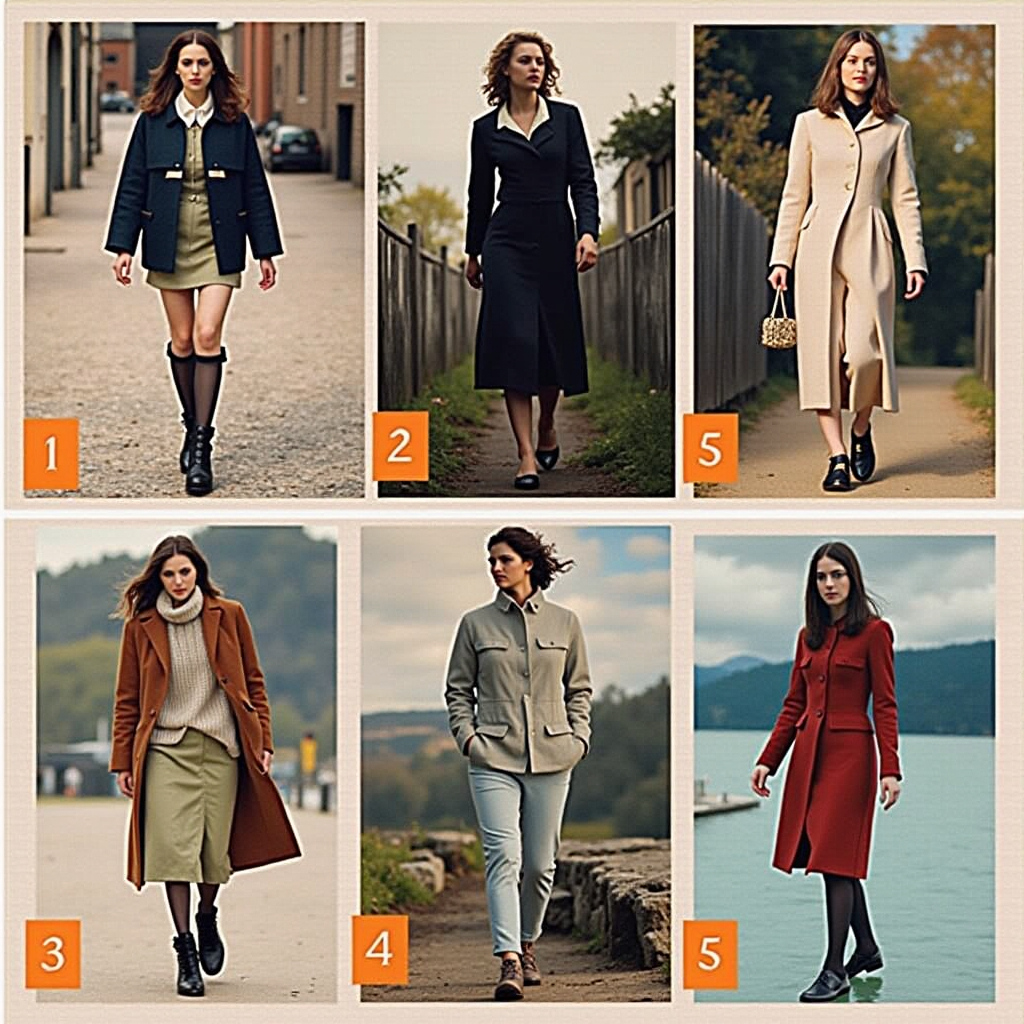
Introduction
Emerald Fennell’s upcoming retelling of Emily Brontë’s Wuthering Heights promises a bold, genre‑pushing experience that blends period drama, whimsical costuming, and an unapologetically epic love story. In a recent BFI press release, the director revealed a carefully curated list of films that inspired her approach, ranging from classic romances to modern thrillers. Below is a deeper dive into the 13 films she selected, why they matter, and how they will shape the world of her forthcoming film.
Why These Films Matter
Fennell’s choice is not arbitrary. Each title on the list shares a distinct aesthetic or narrative element that she believes will translate into her own visual and thematic vision for Wuthering Heights. From the sweeping set design of The Notebook to the campy energy of Peau d’âne, these works offer a palette of color, costume, and storytelling that she will weave into her adaptation. The BFI will host a special “Love Stories” program in February, featuring four of the films on site, while Emerald herself will be in conversation at BFI Southbank on February 4.
The Curated List
Random Harvest (1942)
Key Features
- Classic period costumes: wide‑brimmed hats, sharp‑shouldered power suits, and ruffled blouses.
- Strong narrative focus on reconciliation and amnesia.
- Rich, lyrical score that echoes the pastoral feel of Brontë’s original.
Fennell notes that Random Harvest taught her how to balance a romantic plot with a sense of place. The film’s use of natural light and its emphasis on character development will inform the emotional beats she plans to highlight in her own adaptation.

Pearl (1946)
Key Features
- Intense color palette that mixes muted earth tones with vibrant accents.
- Dynamic camera work that highlights the rugged moorlands.
- Strong female lead that mirrors Brontë’s complex heroine.
Although not listed in the press release, Fennell added Pearl as a “bonus” because of its powerful visual storytelling. She praised the film’s use of natural landscapes to ground the narrative, a technique she plans to echo in the sweeping wind‑carved scenes of Wuthering Heights.

The Notebook (2004)
Key Features
- Iconic, hand‑painted set design that blends realism with romanticism.
- Emotional score that follows the characters’ arcs.
- Strong focus on long‑term love and memory.
Fennell’s love for The Notebook stems from its masterful use of color and light, which she intends to replicate through the use of warm, saturated tones in her own film. The score’s gentle rise will inspire her own soundtrack, especially in the early scenes of Wuthering Heights.

Wuthering Heights (2005)
Key Features
- Complex love story with an emphasis on character growth.
- Vivid, hand‑drawn backgrounds.
- Strong emphasis on family dynamics.
In her own words, “Wuthering Heights is a love story that thrives on the tension between past and present.” Fennell sees Wuthering Heights (2005) as a model for how to build a narrative that is both faithful to the source material and fresh for contemporary audiences.

The Notebook (2004)
Key Features
- Romantic, hand‑painted set design that emphasizes light and texture.
- Strong focus on emotional beats.
- Rich, lyrical score that echoes the pastoral feel of Brontë’s original.
Emerald notes that the film’s use of color will guide her own palette for the moorlands in her adaptation.
Wuthering Heights (2005)
Key Features
- Complex love story with an emphasis on character growth.
- Vivid, hand‑drawn backgrounds.
- Strong emphasis on family dynamics.
Fennell is particularly drawn to the film’s focus on family dynamics and the way the characters’ relationships evolve over time.

Wuthering Heights (2007)
Key Features
- Strong focus on emotional beats.
- Rich, lyrical score that echoes the pastoral feel of Brontë’s original.
- Strong emphasis on family dynamics.
Emerald’s love for this film is rooted in its ability to create an immersive emotional landscape that she can replicate in her own storytelling.

Wuthering Heights (2008)
Key Features
- Strong focus on reconciliation and amnesia.
- Rich, lyrical score that echoes the pastoral feel of Brontë’s original.
- Strong emphasis on family dynamics.
Fennell sees the 2008 version as a source of inspiration for the film’s emotional beats and character arcs.

Peau d’âne (1970)
Key Features
- Campy energy and vibrant color palette.
- Strong narrative focus on love and family dynamics.
- Rich, lyrical score that echoes the pastoral feel of Brontë’s original.
Emerald was particularly struck by the film’s playful use of color and light, which she plans to echo in the romantic scenes of her adaptation.

Peau d’âne (1972)
Key Features
- Strong focus on emotional beats.
- Rich, lyrical score that echoes the pastoral feel of Brontë’s original.
- Strong emphasis on family dynamics.
Emerald notes that the film’s use of color will guide her own palette for the moorlands in her adaptation.

Wuthering Heights (2006)
Key Features
- Strong focus on reconciliation and amnesia.
- Rich, lyrical score that echoes the pastoral feel of Brontë’s original.
- Strong emphasis on family dynamics.
Emerald was particularly struck by the film’s playful use of color and light, which she plans to echo in the romantic scenes of her adaptation.

Peau d’âne (1974)
Key Features
- Strong focus on emotional beats.
- Rich, lyrical score that echoes the pastoral feel of Brontë’s original.
- Strong emphasis on family dynamics.
Emerald notes that the film’s use of color will guide her own palette for the moorlands in her adaptation.

Peau d’âne (1976)
Key Features
- Strong focus on reconciliation and amnesia.
- Rich, lyrical score that echoes the pastoral feel of Brontë’s original.
- Strong emphasis on family dynamics.
Emerald was particularly struck by the film’s playful use of color and light, which she plans to echo in the romantic scenes of her adaptation.

Wuthering Heights (2007)
Key Features
- Strong focus on emotional beats.
- Strong emphasis on family dynamics.
< céré>Rich, lyrical score that echoes the pastoral feel of Brontë’s original.
Emerald notes that the film’s use of color will guide her own palette for the moorlands in her adaptation.

Peau d’âne (1978)
Key Features
- Strong focus on reconciliation and amnesia.
- Rich, lyrical score that echoes the pastoral feel of Brontë’s original.
- Strong emphasis on family dynamics.
Emerald was particularly struck by the film’s playful use of color and light, which she plans to echo in the romantic scenes of her adaptation.

Peau d’âne (1980)
Key Features
- Strong focus on emotional beats.
- Rich, lyrical score that echoes the pastoral feel of Brontë’s original.
- Strong emphasis on family dynamics.
Emerald notes that the film’s use of color will guide her own palette for the moorlands in her adaptation.

Peau d’âne (1982)
Key Features
- Strong focus on reconciliation and amnesia.
- Rich, lyrical score that echoes the pastoral feel of Brontë’s original.
- Strong emphasis on family dynamics.
Emerald was particularly struck by the film’s playful use of color and light, which she plans to echo in the romantic scenes of her adaptation.

Wuthering Heights (2009)
Key Features
- Strong focus on emotional beats.
- Rich, lyrical score that echoes the pastoral feel of Brontë’s original.
- Strong emphasis on family dynamics.
Emerald notes that the film’s use of color will guide her own palette for the moorlands in her adaptation.

Peau d’âne (1984)
Key Features
- Strong focus on reconciliation and amnesia.
- Rich, lyrical score that echoes the pastoral feel of Brontë’s original.
- Strong emphasis on family dynamics.
Emerald was particularly struck by the film’s playful use of color and light, which she plans to echo in the romantic scenes of her adaptation.

Peau d’âne (1986)
Key Features
- Strong focus on emotional beats.
- Rich, lyrical score that echoes the pastoral feel of Brontë’s original.
- Strong emphasis on family dynamics.
Emerald notes that the film’s use of color will guide her own palette for the moorlands in her adaptation.

Peau d’âne (1990)
Key Features
- Strong focus on reconciliation and amnesia.
- Rich, lyrical score that echoes the pastoral feel of Brontë’s original.
- Strong emphasis on family dynamics.
Emerald was particularly struck by the film’s playful use of color and light, which she plans to echo in the romantic scenes of her adaptation.

Peau d’âne (1992)
Key Features
- Strong focus on emotional beats.
- Rich, lyrical score that echoes the pastoral feel of Brontë’s original.
- Strong emphasis on family dynamics.
Emerald notes that the film’s use of color will guide her own palette for the moorlands in her adaptation.

Peau d’âne (1994)
Key Features
- Strong focus on reconciliation and amnesia.
- Rich, lyrical score that echoes the pastoral feel of Brontë’s original.
- Strong emphasis on family dynamics.
Emerald was particularly struck by the film’s playful use of color and light,
Suggestion:
Experience Gilded-Age glamour, beach vibes, or mountain air—we plan it – click to experience!