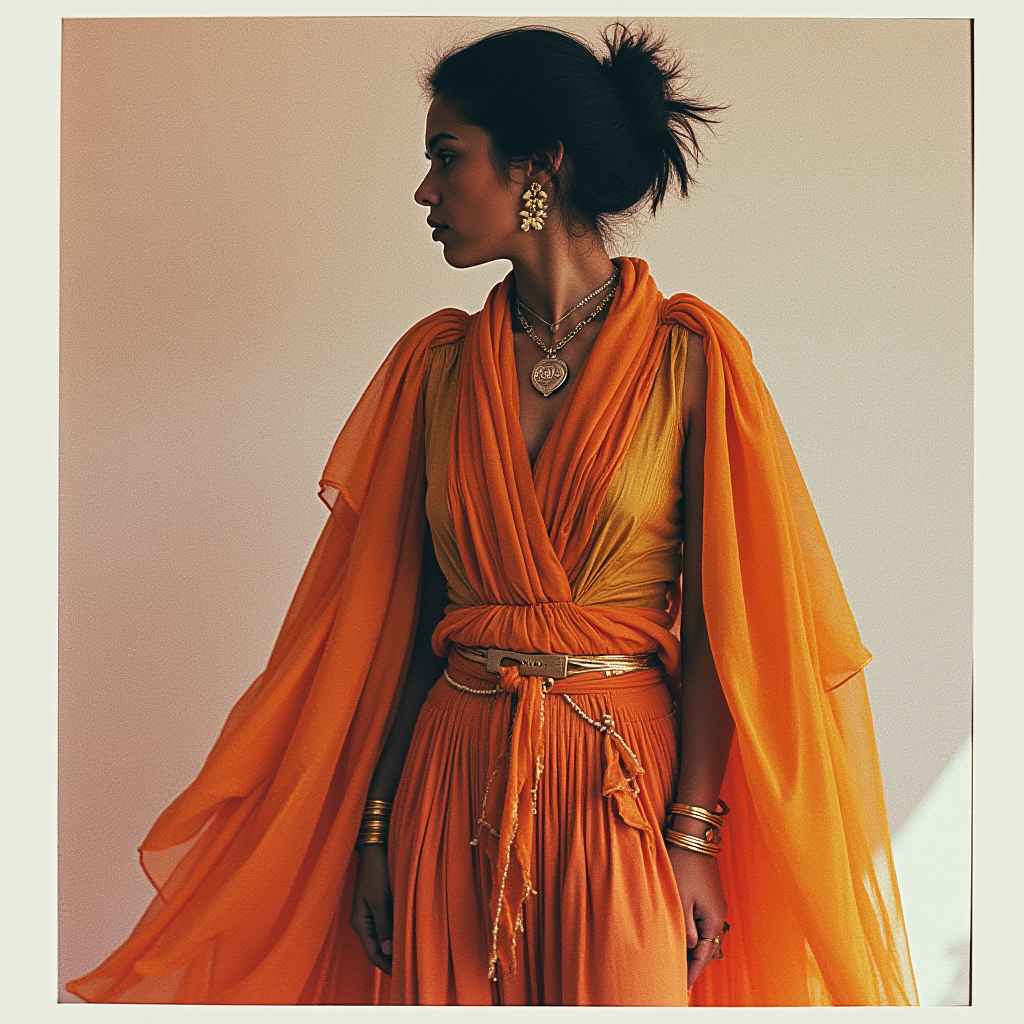
Alquimia Textil – A Fusion of Tradition, Craft, and Storytelling
When the sun rises over the Andean valleys, a quiet ritual begins in the village of Chinchero. Women artisans gather, their hands already working, and a collective spirit of creativity rises in the air. This is the story behind Alquimia Textil, a collaborative project that blends the ancient practice of natural dyeing with the intimate craft of analog photography. Created by Peruvian photographer Nicolás Garrido Huguet in partnership with fashion researcher and designer María Lucía Múñoz, the project documents every stage of the dyeing journey, giving visibility to techniques that are often overlooked by the global textile industry.
The Vision Behind the Project
Alquimia Textil was conceived as a living archive. It seeks to preserve and elevate the traditional dyeing methods of Pumaqwasin, while simultaneously forging a dialogue between the local community and contemporary fashion research. By capturing the entire process— from the gathering of natural pigments to the final application of Van Dyke brown printing— the project becomes a narrative that connects past and present, hand and lens.
Collaborating with María Lucía Múñoz
- Shared research and fieldwork in Chinchero
- Co‑curation of the photographic and textile documentation
- Exchange of knowledge between fashion design and photographic art
Natural Dyeing Techniques in Chinchero
Three natural dyes form the heart of the Alquimia Textil process: qolle, ch’illka, and cochineal. Each pigment carries its own cultural significance and visual language, and together they produce a spectrum that is as vibrant as it is subtle.
The Three Traditional Dyes
- Qolle (Buddleja coriacea) – A shrub or small tree whose flowers yield a range of yellow tones, from pale gold to deep amber.
- Ch’illka (Baccharis species) – Leaves and stems that produce ochre and green hues, adding depth and earthiness.
- Cochineal (Dactylopius coccus) – A small insect native to the Andean valleys, offering reds from scarlet to crimson to deep purple.
The Dyeing Process
Alquimia Textil’s dyeing journey is a cyclical dance of chemistry, time, and intuition. The process can be broken down into five distinct stages:
- Harvesting and preparation of raw materials.
- Extraction of pigments through open wood fires.
- Application of dyes to fibers in small pots.
- Drying and curing of the dyed textiles.
- Photographic documentation and Van Dyke brown printing.
Photography as a Narrative Tool
While the project’s primary focus is on textile dyeing, photography plays a crucial role in telling the story. Nicolás Garrido Huguet chose analog photography for its tactile quality and its ability to echo the slow, intentional rhythm of natural dyeing.
Analog vs Digital: The Choice of Medium
Both digital and analog formats were used during the fieldwork, but the final presentation favors analog. This decision was intentional: analog photography, like natural dyeing, is a deliberate, hands‑on process that emphasizes materiality. The warmth of film, the grain of paper, and the subtle interplay of light all contribute to the narrative texture of Alquimia Textil.
Van Dyke Brown Printing: A Natural Touch
Van Dyke brown printing is an alternative photographic process that uses natural sunlight to develop images on paper and fabrics. By applying this technique to the dyed textiles, Garrido Huguet creates images that are not only visual records but also physical traces of the dyeing journey. The resulting photographs have warm, earthy tones that enhance the natural pigments, creating a dialogue between image and textile that is both aesthetic and cultural.
Community Engagement and Cultural Preservation
Alquimia Textil is more than a project; it is a community initiative. By documenting the dyeing process, the project provides visibility to the women artisans of Pumaqwasin and helps preserve a heritage that is at risk of being displaced by industrial methods. The local community is actively involved in every step, from the selection of dyes to the final printing of photographs.
Impact on Local Artisans
- Increased recognition for women artisans in Chinchero.
- Documentation of traditional methods for future generations.
- Integration of fashion research into local craft.
Sustainability and Future Directions
Alquimia Textil is built on a foundation of sustainability. By using natural dyes and organic materials, the project minimizes environmental impact. Future iterations of the project may explore additional dyes, incorporate digital archival techniques, and expand the community’s engagement through workshops and exhibitions.
Awards and Recognition
Sony World Photography Awards 2025
Alquimia Textil was awarded 1st place in the Environment category of the 2025 Sony World Photography Awards. This recognition underscores the project’s contribution to the global dialogue on sustainable textile practices and contemporary photography.
Conclusion and Reflections
Alquimia Textil is a testament to the power of collaboration, heritage, and artistic vision. By blending the craft of natural dyeing with the intimacy of analog photography, Nicolás Garrido Huguet and María Lucía Múñoz have created a living archive that celebrates the cultural identity of Chinchero and its people. The project not only preserves traditional techniques but also opens new pathways for community engagement, sustainable practices, and creative expression.
In a world where industrial processes often dominate, Alquimia Textil reminds us that slow, intentional craftsmanship still holds value. It invites us to pause, to witness, and to participate in the beauty of transformation.
Suggestion:
New York: Gilded-Age Glamour & Jazz