6 Food Trends Fashion Needs to Know About in 2026
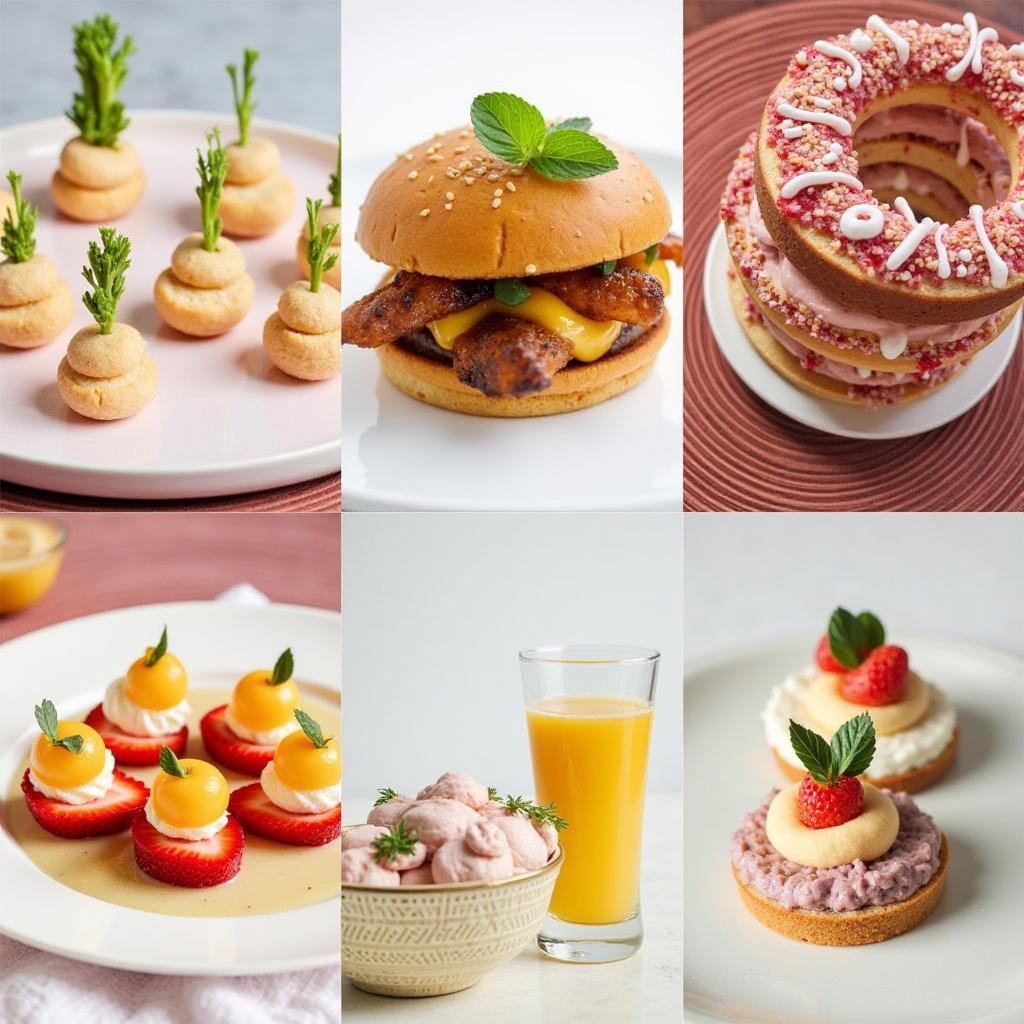
In the ever‑evolving world of fashion, food has become a powerful cultural vehicle, offering brands a fresh avenue for storytelling, engagement, and shared experience. 2026 is a year where culinary creativity meets sartorial innovation, and the lines between runway, kitchen, and event space are blurring. Below we unpack the six key food trends that will shape the industry in the coming months – from mini delights to ritual‑based rituals – and show how you can weave them into your next fashion campaign, pop‑up, or product launch.
1. Mini Everything: The Rise of Bite‑Sized Brilliance
Miniature food and drink formats are no longer niche; they are becoming the default for 2026. Consumers crave convenience without sacrificing quality, and brands are delivering it in a way that feels playful yet premium.
Why Minis Matter
- Low‑commitment rewards: One‑bite desserts, small sips, and “unserious” treats that spark joy and shareability.
- Accessible price points: Smaller portions let brands offer premium experiences at a fraction of the cost.
- Health & wellness: GLP‑1 medication use encourages smaller, nutrient‑dense meals.
Case Studies
- Rhode’s Summer Pop‑Up (Mallorca): ‘Lemontini’ ice creams that flooded social feeds.
- Saint Laurent’s An Ordinary Day: Picnic‑style campaign featuring soft‑boiled eggs, toast, fruitcake, brooches, bags, and shoes.
- Neiman Marcus Spring 2025: Chef influencers and fashion insiders around a white‑tablecloth dinner.
How to Integrate Minis into Your Brand
1. Pop‑up Events: Offer mini tasting stations or “food pods” at fashion shows.
2. Social Media: Create short, engaging reels that showcase the mini format.
3. Packaging: Design mini packaging that doubles as a collectible.
2. Texture as the New Flavor: Sensory Contrast Meets Emotional Engagement
Flavor innovation has plateaued, but texture is now the new frontier for culinary creativity. Chewy mochi, popping boba, crunchy chilli crisp, and elastic kueh desserts are reshaping menus and beverages alike.
Texture Trends in 2026
- Foams, gels, and gelatin‑based drinks that “burst” or “stretch” in the mouth.
- Ready‑to‑eat cocktails that are as chewable as they are sipable.
- Textural play in fashion: “gummy bears aesthetic,” “yokan,” and “jelly candy aesthetic” are up 50–100% in search volume.
From Kitchen to Catwalk
Fashion brands are adopting texture as a storytelling device. For instance, a runway show featuring a “texture‑centric” dessert line can tie into the visual language of the collection, creating a multi‑sensory narrative.
Practical Tips
• Use edible textures to complement your brand’s color palette.
• Pair mini cocktails with complementary textures for a holistic experience.
• Create a “texture board” for your marketing team to reference.
3. Edible Rituals: Food as Daily Practice and Emotional Anchor
In 2026, food is no longer a one‑off indulgence; it becomes a ritual that consumers can embed into daily life. Brands are leveraging this trend by offering curated, repeatable food experiences.
Key Rituals to Embrace
- Morning tea boxes that guide consumers through a week of mindful sipping.
- Evening wind‑down teas and mid‑afternoon reset drinks (matcha, bone broth).
- Seasonal pop‑ups that celebrate regional flavors.
Case Study: The Frankie Shop & L’Infuseur
Numbered teas for each day of the year turn a simple drink into a guided ritual, encouraging repeat consumption and social media buzz.
How to Build Rituals into Your Campaign
- Define a clear narrative: “Start your day, end your day, reset your mid‑day.”
- Offer a subscription or loyalty program around the ritual.
- Use storytelling on Instagram and TikTok to highlight the ritual’s benefits.
4. Soft Drink Pairings Become Mainstream
Gen Z’s shift towards sober‑curious drinking is reshaping how brands pair food and drink. Non‑alаман drinks, like adaptogenic cocktails, are becoming the default for fashion events.
Why Soft Drinks Are a Fashion Imperative
- They add a complementary narrative layer to the collection.
- They are “cultural open” – informal, communal, and easily shareable.
- Brands can use them to attract broader audiences beyond the luxury segment.
Trend Highlights
- Functional mushrooms and adaptogenic botanicals are becoming luxury ingredients.
- Functional mushrooms like Reishi or Chaga are being paired with sparkling teas.
- Brands such as Arket and Arket Pop‑Up use seasonal, ingredient‑led drinks.
Integrating Soft Drink Pairings
• Offer a “drink‑pairing guide” that aligns with your collection’s theme.
• Host a tasting lounge at fashion events.
• Create a dedicated hashtag to track engagement.
5. Ancient Food, Modern Comfort: The Gut‑Health Luxury Lexicon
Ancient ingredients like functional mushrooms and adaptogenic botanicals are becoming luxury staples. Brands are marrying gut health with fashion storytelling.
Ancient Ingredients on the Rise
- Functional mushrooms (Reishi, Chaga, Cordyceps).
- Adaptogenic botanicals (ashwagandha, nettle, ginseng).
- Seasonal soups, grain bowls, and tinned‑fish‑based dishes.
Brand Example: Saint Laurent SS26 by Anthony Vaccarello
Incorporating ancient ingredients into a daily line (e.g., mushroom‑infused soups) can elevate the brand’s heritage narrative.
Implementation Checklist
- Develop a “gut‑health kit” for your audience.
- Use a mix of organic and local sourcing.
- Collaborate with local chefs for authenticity.
6. Everyday Ingredients Reimagined: From Frugality to Fusion
Consumers are looking for affordable, familiar ingredients that feel inventive. Everyday staples such as potatoes, pasta, eggs, and tinned fish are being transformed into playful, comforting dishes that resonate on social media.
Breakout Ingredients of 2026
- Cabbage – “sautéed bok choy,” “cabbage dumplings,” “golumpki soup,” “cabbage Alfredo.”
- Pasta – “yellow pea hummus flatbread,” “nettle soup,” “grain bowls.”
- Potatoes – “roasted potato tart,” “potato‑based mousse.”
How Brands Are Using Everyday Ingredients
Arket’s cafés and cookbooks champion seasonal, accessible produce prepared with restraint. This approach is perfect for fashion events that aim for a cultural open, communal feel.
Recipe‑Driven Marketing
- Create a “recipe book” that pairs with your collection.
- Offer a digital cookbook on your website.
- Host a “cook‑and‑runway” day for media and influencers.
Conclusion: The Culinary‑Fashion Fusion Blueprint
Fashion’s journey beyond product is being anchored by food, and the trends highlighted above offer a roadmap for brands to create meaningful, multi‑sensory narratives. Whether you’re planning a pop‑up, launching a new collection, or curating a lifestyle event, the key is to treat food not just as a complement but as a core storytelling element.
By embracing mini everything, texture innovation, edible rituals, mainstream soft drink pairings, ancient comfort foods, and everyday ingredient reimagining, you’ll position your brand at the forefront of 2026’s culinary‑fashion dialogue. Now it’s time to get creative, experiment, and share the story.
Author’s Note: As always, stay tuned for our upcoming round‑up on how to pair these food trends with fashion photography, influencer collaborations, and tech‑enabled marketing. Follow us on Instagram for real‑time updates and behind‑the‑scenes looks.
Suggestion:
Las Vegas: High-Roller VIP Nights