AI’s Maturation Point and Cute Tech: 2026 Fashion-Tech Predictions
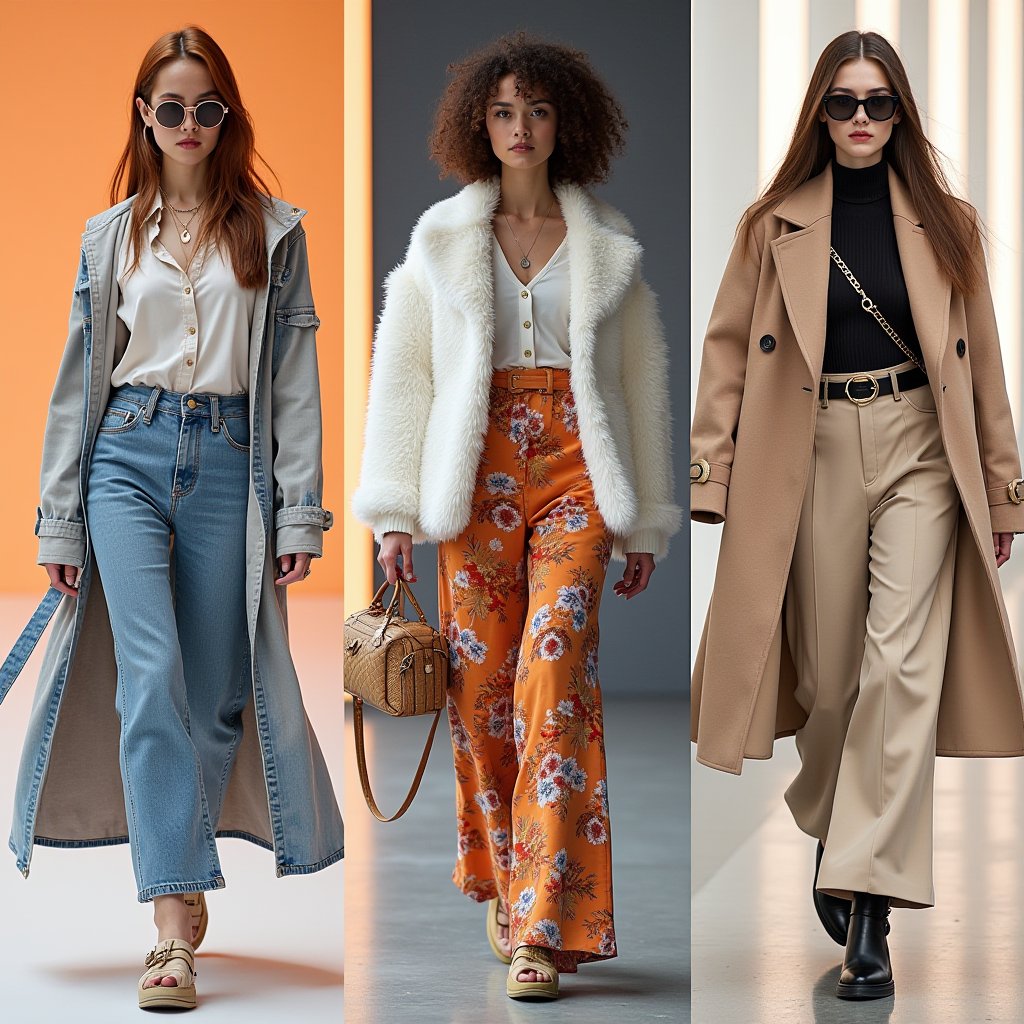
Last year, AI investment reached unprecedented highs. Nvidia became the world’s first $5 trillion company, the biggest AI players like Meta and Google raised their AI spend from previous forecasts, and OpenAI placed itself at the center of a web of multi‑million‑dollar deals focused on accelerating AI development. In 2026, all this spending is likely to yield new products and features that will impact how fashion brands sell online. At the same time, governments are racing to catch up with the pace of development and introduce laws to regulate the sector. Approaches to AI regulation are expected to become even more fragmented across geographies, which experts say places the onus on brands to establish their own AI guardrails and values, fast. This includes fashion’s approach to using AI models for creative outputs. Expect a bifurcation in approaches to AI for creative in 2026, where brands either reject the tech altogether, or lean into the surreal look it can create. As they navigate this rapid technological evolution, brands will also lean into consumer tech products that prioritize human connection and warmth. On the consumer side, experts say we’ll likely see last year’s fledgling trend of tech products worn as accessories grow in 2026.
Here are the biggest fashion‑tech trends to expect in 2026.
1. Advertising Will Enter a New AI Era
1.1 AI‑Driven Shopping Journeys
This year, expect pay‑to‑play advertising in commerce to change shape, as consumers increasingly choose AI search for their shopping journeys. ChatGPT maker OpenAI restructured to a for‑profit business late last year, with experts predicting advertising revenue as an inevitable part of the platform’s near future. Meanwhile, pay‑to‑play ads are an established part of rivals Google and Amazon’s business models.
In late 2025, Amazon launched sponsored prompts within its AI assistant Rufus, where brands can bid on follow‑up questions within consumers’ AI conversations as they shop. If, say, a customer is searching for a leather handbag, a brand can pay for the AI assistant to suggest its product and describe it according to the label’s own product description, in response to certain questions.
“The future of ads is already here with what Amazon has launched,” says AI search expert Max Sinclair. He predicts that in 2026, other AI platforms will follow in its footsteps with chat ads rather than traditional visual ads in sidebars. Meanwhile, OpenAI CEO Sam Altman has always been openly wary of balancing advertising with preserving consumer trust. A model like Amazon’s could be seen to be at odds with the personalized recommendations that the AI giant promoted with the release of its “shopping research” feature in late 2025. One thing we do know is that when the company does introduce ads in the near future, they’ll be what Altman has said he deems “thoughtful and tasteful.”
1.2 The Rise of Context‑Aware AI Banners
- AI‑generated banners that adapt to the consumer’s browsing history in real time.
- Dynamic content that changes based on season, weather, and location.
- Seamless integration with social media platforms for instant sharing.
- Embedded analytics that track ad performance at the micro‑level.
By 2026, we’ll see a new wave of AI‑powered advertising that blends the precision of data analytics with the creativity of storytelling. Brands will have the tools to create context‑aware banners that not only look great but also perform intelligently, offering a truly personalized shopping experience.
2. AI Slop as a Fashion Marketing Play
2.1 From “Real” to “Surreal”
Consumers and creatives alike are wrestling with what “real” means in an AI‑enhanced world. In 2025, nowhere was this felt stronger than in creative campaigns. Where brands began to experiment with AI‑generated images and video, they were mostly met with a social media backlash criticizing their work as “AI slop.” Across early experiments, the campaigns that drew the most Rename that we’ll lean into the “cult of cute tech” as a counter‑trend. In its 2026 trend report, forecaster WGSN notes that the ‘kawaii’ trend of accessorizing with retro tech like Tamagotchis and flip phones as a playful statement, which has long been pervasive in the Asia‑Pacific region, will spread to the West this year. In 2025, we increasingly saw brands experiment with consumer tech hardware as statement accessories. Coperni played on Y2K electro‑kitsch and released a special Tamagotchi in March, fused with the design of its signature Swipe bag, which models wore hooked to bags at its Fall/Winter 2025 show. “Cute tech will evolve beyond aesthetics or functionality into powerful engagement strategies for tech experiences that prioritize emotional wellness, spark joy and imagination.” Lisa Yong, WSGN’s consumer technology content director.
2.2 Predictive Design and “Cute” Aesthetics
In 2026, the term “AI slop” will transform into a new creative language—a language that marries the rawness of generative AI with the charm of retro‑style accessories. Brands will harness this trend to create campaigns that are both playful and deeply engaging.
- AI‑generated mood boards that blend vintage aesthetics with modern design.
- 3D‑printed runways that can be updated in real time.
- AR overlays that let customers preview garments in their own environment.
- Social‑media‑ready clips that can be shared directly on Instagram Stories.
These creative assets will not only catch the eye of fashion enthusiasts but also drive traffic, conversion, and brand loyalty. We’re talking about a new era where “slop” becomes a signature element of a brand’s identity.
3. Instagram & Instagram‑Style Content
3.1 “Cute Tech” Meets Instagram
“Cute tech will evolve beyond aesthetics or functionality into powerful engagement strategies for tech experiences that prioritize emotional wellness, spark joy and imagination.” – Lisa Yong, WSGN’s consumer technology content director.
Instagram is becoming the go‑to platform for showcasing tech‑fashion hybrids. Models will be wearing tech accessories, from Tamagotchis to action cameras, as part of runway shows and lifestyle shoots. Brands will use AI to create interactive Instagram stories that let users swipe through a virtual lookbook, complete with embedded 360‑degree product views.
3.2 Interactive Lookbooks and AR Filters
- AI‑generated AR filters that let followers try on outfits virtually.
- Embedded 3D models that can be printed or rendered on demand.
- Dynamic hashtags that track user engagement in real time.
- Collaboration with influencers for cross‑promotion.
By 2026, we’ll see Instagram content that is no longer just a photo feed but an interactive tech experience. Think AR filters that let you virtually try on a dress, or a 3D‑printed accessory that can be added to a lookbook on demand. Brands will be able to leverage these tools to create a richer, more engaging Instagram presence.
4. Wearables: The Smart Glasses Revolution
4.1 Smart Glasses as Statement Accessories
In its 2026 trend report, forecaster WGSN notes that the ‘kawaii’ trend of accessorizing with retro tech like Tamagotchis and flip phones as a playful statement, which has long been pervasive in the Asia‑Pacific region, will spread to the West this year.
We’re already seeing brands experiment with consumer tech hardware as statement accessories. Coperni played on Y2K electro‑kitsch and released a special Tamagotchi in March, fused with the design of its signature Swipe bag, which models wore hooked to bags at its Fall/Winter 2025 show. Chopova Lowena released its Alto bag, a collaboration with audio brand Sony that was designed to feature its WH‑1000XM6 headphones woven into the bag’s exterior. Tech brand Nothing’s headphones were also donned by models at Jane Wade’s show in New York and Marie Lueder’s in London. Meanwhile, its Nothing Phone 3, designed with retro tech elements, is becoming more of a statement accessory among creatives and Gen Z, as the brand sets its sights on more fashion collaborations in the year ahead.
4.2 The Cute Tech Wave: A Counter‑Trend
Trend experts say we should expect consumer tech as a statement accessory to catch on even more in 2026, as brands lean into the idea that tech hardware can be objects that spark joy, in contrast to the backdrop of existential uncertainty brought about by invisible technology like AI. “The power of cute has infiltrated a new wave of consumer tech products and experiences that imbue warmth, comfort and emotional connections,” says Lisa Yong, WSGN’s consumer technology content director. “Cute tech will evolve beyond aesthetics or functionality into powerful engagement strategies for tech experiences that prioritize emotional wellness, spark joy and imagination, and ultimately foster happiness in the business of cultivating it.”
4.3 Cute Tech Forecast: 2026 Consumer Tech Accessory Line‑Up
- Retro‑style headphones integrated into bags and vests. Models at Lorenzo Seghezzi’s show in Milan and at Institution by Galib Gassanoff wore white vests adorned with tiny Insta360 action cameras.
- Tamagotchi‑Swipe Bags. Coperni’s March release combined a Tamagotchi with a Swipe bag, creating a playful statement accessory.
- Nothing Phone 3 collaborations. The Nothing Phone 3, with retro tech elements, is becoming a statement accessory among Gen Z creatives.
- Alto Bag by Chopova Lowena. Collaboration with Sony to embed WH‑1000XM6 headphones into the bag’s exterior.
- Insta360‑action cameras in vests. A new trend of wearing tech as a fashion accessory that spark joy.
By 2026, cute tech will be a core part of a brand’s identity. Consumers will see tech hardware not just as a gadget but as a lifestyle statement that enhances emotional wellness and sparks imagination.
5. Fashion Brands Must Become Their Own Regulators Through Contracts
5.1 Legal Infrastructure for AI‑Generated Inputs
Experts predict that we’ll lean into the “cult of cute tech” as a counter‑trend. In its 2026 trend report, forecaster WGSN notes that the ‘kawaii’ trend of accessorizing with retro tech like Tamagotchis and flip phones as a playful statement, which has long been pervasive in the Asia‑Pacific region, will spread to the West this year. In 2025, we increasingly saw brands experiment with consumer tech hardware as statement accessories.
Last year, fashion brands double down on their own protections by insisting on clear contractual provisions with the makers of the AI tools they use, allocating ownership of their brand inputs and AI‑generated outputs. “Fashion brands must become their own regulators through contracts,” Lakha says. “That means treating AI as a cross‑border risk asset, investing in legal and contractual infrastructure, and aligning creative innovation with governance discipline. The brands that succeed will not be those that avoided AI, but those that adopted it with discipline, clarity and control.”
5.2 Cross‑Border Risk Management
- Clear contractual provisions with AI tool makers.
- Ownership clauses that protect brand inputs and AI‑generated outputs.
- Global data‑analytics agreements that track cross‑border performance.
- Legal support for intellectual property rights and licensing.
- Governance discipline that aligns creative workflows with contractual infrastructure.
By 2026, brands that succeed will be those that invest in legal and contractual infrastructure as much as they invest in technology. Treating AI as a cross‑border risk asset will be the key to unlocking new growth opportunities.
6. Cute Tech Will Emerge as a Counter‑Trend
6.1 Cute Tech as an Engagement Strategy
In its 2026 trend report, forecaster WGSN notes that the ‘kawaii’ trend of accessorizing with retro tech like Tamagotchis and flip phones as a playful statement, which has long been pervasive in the Asia‑Pacific region, will spread to the West this year. In 2025, we increasingly saw brands experiment with consumer tech hardware as statement accessories. Coperni played on Y2K electro‑kitsch and released a special Tamagotchi in March, fused with the design of its signature Swipe bag, which models wore hooked to bags at its Fall/Winter 2025 show.
6.2 The Cute Tech Playbook for 2026
- Retro‑style headphones in bags. Chopova Lowena’s Alto bag collaboration with Sony’s WH‑1000XM6 headphones.
- Mini‑camera vests. Institution by Galib Gassanoff’s look featuring Insta360 action cameras.
- Smart‑glass accessories. Nothing Phone 3 with retro tech 주요 포인트.
- Wearable tech in runway shows. Models at Jane Wade’s show in New York sporting Nothing’s headphones.
- Interactive tech‑fashion hybrids. Models wearing tech as part of a lifestyle shoot.
By 2026, cute tech will be a core part of a brand’s identity. Consumers will see tech hardware not just as a gadget but as a lifestyle statement that enhances emotional wellness and sparks imagination.
Conclusion: The Future of Tech‑Fashion in 2026
By 2026, tech‑fashion hybrids will be the new standard. Brands will combine AI‑generated creative assets, cross‑border legal agreements, and cute‑tech accessories to drive growth, traffic, and brand loyalty. We’re talking about a new era where “slop” becomes a signature element of a brand’s identity, where Instagram content is an interactive tech experience, and where retro‑style accessories become a lifestyle statement. The brands that succeed will be those that invest in technology, creative workflows, and legal infrastructure.
Thank you for reading our 2026 trend report. We hope you found it useful and inspiring.
Best regards,
AI‑Generated Trend Report, 2026.
— AI‑Generated Trend Report, 2026.
Suggestion:
Unravel the best destinations and deals for your travel style – click to unravel!