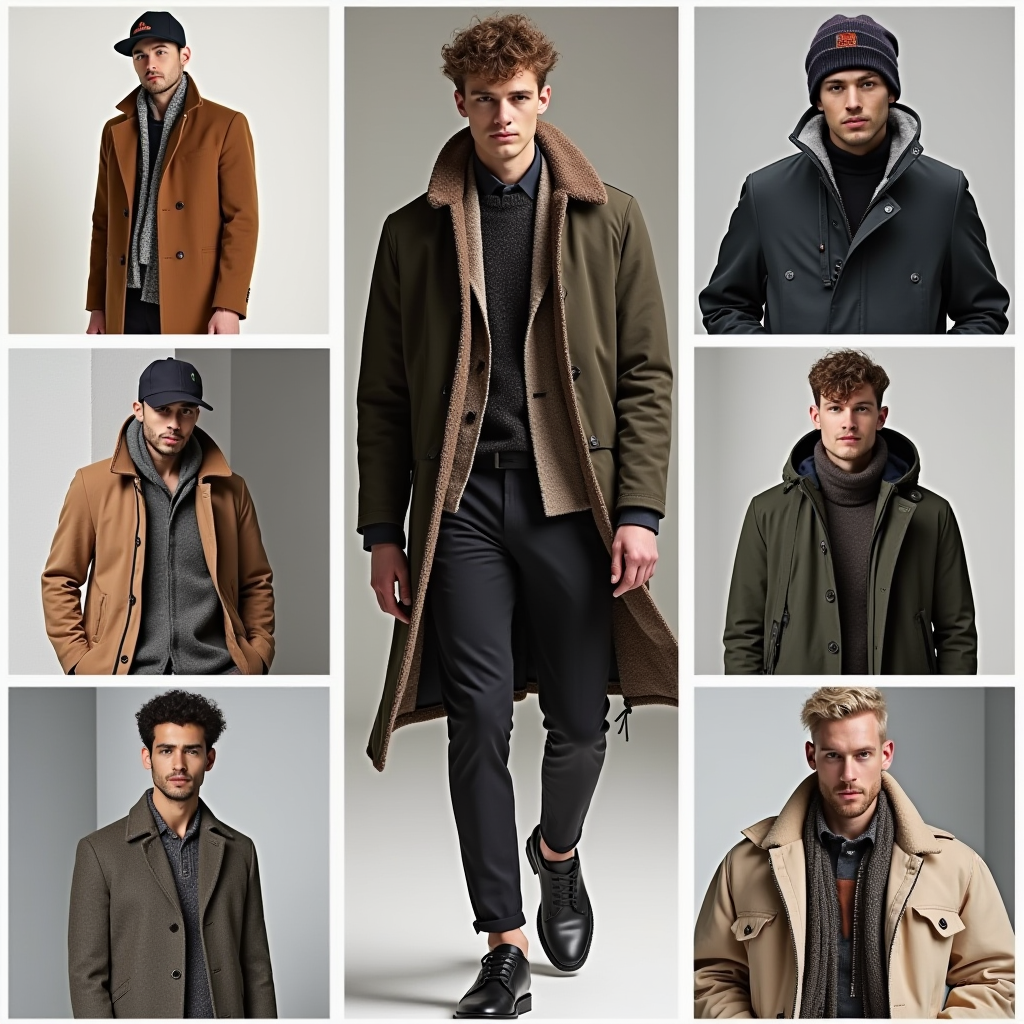
6 Designers on What’s Ahead for Menswear in 2026
As the winter of 2026 rolls out, the menswear runway becomes the first weather report of the year. A panel of six creative minds—Rolf Ekroth, Saul Nash, Bianca Saunders, Willy Chavarria, Jonny Johansson, and Alessandro Sartori—has gathered to map the direction of modern menswear. In this post we dive into their perspectives, highlight key trends, and explore how craft, technology, and global influences converge to shape the future of men’s fashion.
The Design Panel: Voices from Across the Men’s Category
The panel spans a range of experiences and aesthetics:
- Rolf Ekroth – Indie battler from Copenhagen, now heading to Paris for the upcoming collection.
- Saul Nash – Rising star from the indie scene, known for blending tradition with contemporary tech.
- Bianca Saunders – Direct‑to‑consumer specialist, focusing on timeless, long‑lasting pieces.
- Willy Chavarria – Veteran designer, championing sociological shifts in masculinity.
- Jonny Johansson – Foundational force behind Acne Studios, pushing craft and tradition forward.
- Alessandro Sartori – Artistic director at Zegna, blending luxury and modernity for an affluent clientele.
Key Trends for Menswear 2026
1. Personalization & Individualism
All designers agree that menswear is moving toward a more personalized experience. “Clothes feel more personal and lived‑in,” says Ekroth, noting that consumers now expect garments that reflect their own style while still belonging to a broader aesthetic narrative.
2. Craft, Quality & Detail
Craftsmanship remains a cornerstone of the industry. Saunders emphasizes the importance of “making the best possible thing, something that’s long‑lasting and timeless.” Nash echoes this sentiment, adding that functional efficiency will be a starting point for storytelling.
3. Technology & Innovation
From AI collaboration to smart fabrics, designers are embracing new technologies. “With the rise in AI, we will see designers collaborate with new technologies to present aesthetics that embody modern artisanal craftsmanship,” says Nash.
4. Global & Cultural Influences
Fashion will no longer be defined by a single identity. Chavarria highlights the shift: “The future of fashion is not a runway carved by one identity. It’s a mosaic.” This mosaic is enriched by multicultural inspirations, sustainable sourcing, and experiential retail.
Designer Insights: A Deeper Dive
Rolf Ekroth – “Personal & Lived‑In”
- Focus: Mixing classic menswear with contemporary twists.
- Approach: Experimentation driven by individualism.
- Vision: Clothes that can be mixed as you want, feeling personal yet part of a larger narrative.
Saul Nash – “Function Meets Story”
- Focus: Crafting garments that are functional yet tell a story.
- Approach: AI‑driven design processes.
- Vision: Garments that last and that feel personally attached.
Bianca Saunders – “Timeless & Long‑Lasting”
- Focus: Direct‑to‑consumer, product‑oriented design.
- Approach: Emphasis on longevity and timelessness.
- Vision: Pieces that grow with the wearer.
Willy Chavarria – “A Mosaic of Masculinity”
- Focus: Sociological shifts in masculinity.
- Approach: A blend of tradition and modernity.
- Vision: Fashion that is inseparable from purpose.
Jonny Johansson – “Craft & Tradition Forward”
- Focus: Acne Studios’ legacy of craft.
- Approach: Returning to tradition with a modern lens.
- Vision: Clothes that are functional, artistic, and enduring.
Alessandro Sartori – “Luxury Meets Modernity”
- Focus: Zegna’s luxury menswear.
- Approach: Modern brand speed combined with high quality.
- Vision: Garments that feel modern, yet still themselves.
Crafting Modernity: The Role of Technology
Innovation in menswear is not just about new materials—it’s also about how designers integrate technology into the creative process. AI, for instance, is being used to streamline pattern creation, optimize fabric usage, and even forecast trends based on consumer data.
Designers like Nash and Johansson are experimenting with digital tools to enhance their creative output. This includes 3D modeling, virtual fittings, and data‑driven pattern optimization. The result is a more efficient, precise, and sustainable design workflow.
Global Influences & Sustainability
Menswear in 2026 will draw inspiration from global cultures, sustainable sourcing, and experiential retail. Designers are exploring new fibers, such as organic cotton and recycled polyester, and are incorporating traditional craftsmanship techniques from around the world.
Consumers are increasingly conscious of sustainability, and designers are responding by creating garments that not only look good but also feel good to wear. This includes a focus on durability, ethical sourcing, and eco‑friendly production methods.
Future Outlook: What to Expect in 2026
The collective vision of these six designers points toward a menswear landscape that is:
- More personalized and individualistic.
- Rooted in craft and quality.
- Enhanced by technology and innovation.
- Influenced by global cultures and sustainable practices.
- Delivered through experiential retail and digital integration.
By the end of 2026, you can expect to see garments that blend tradition with modernity, crafted with care and presented through cutting‑edge technology.
Conclusion
Menswear is poised for a dynamic evolution in 2026. The insights from Ekroth, Nash, Saunders, Chavarria, Johansson, and Sartori paint a picture of a future that is personal, crafted, and globally informed. Whether you’re a seasoned fashion enthusiast or a newcomer, the trends and innovations highlighted here will shape how you experience men’s fashion in the coming year.
Photos: Umberto Fratini/Gorunway.com (Zegna); Courtesy of Acne Studios/Daniele Oberrauch/Gorunway.com; Pedro da Silva (Bianca Saunders)
Suggestion:
Las Vegas: High-Roller VIP Nights