5 Key Takeaways From Milan Fashion Week Men’s FW26
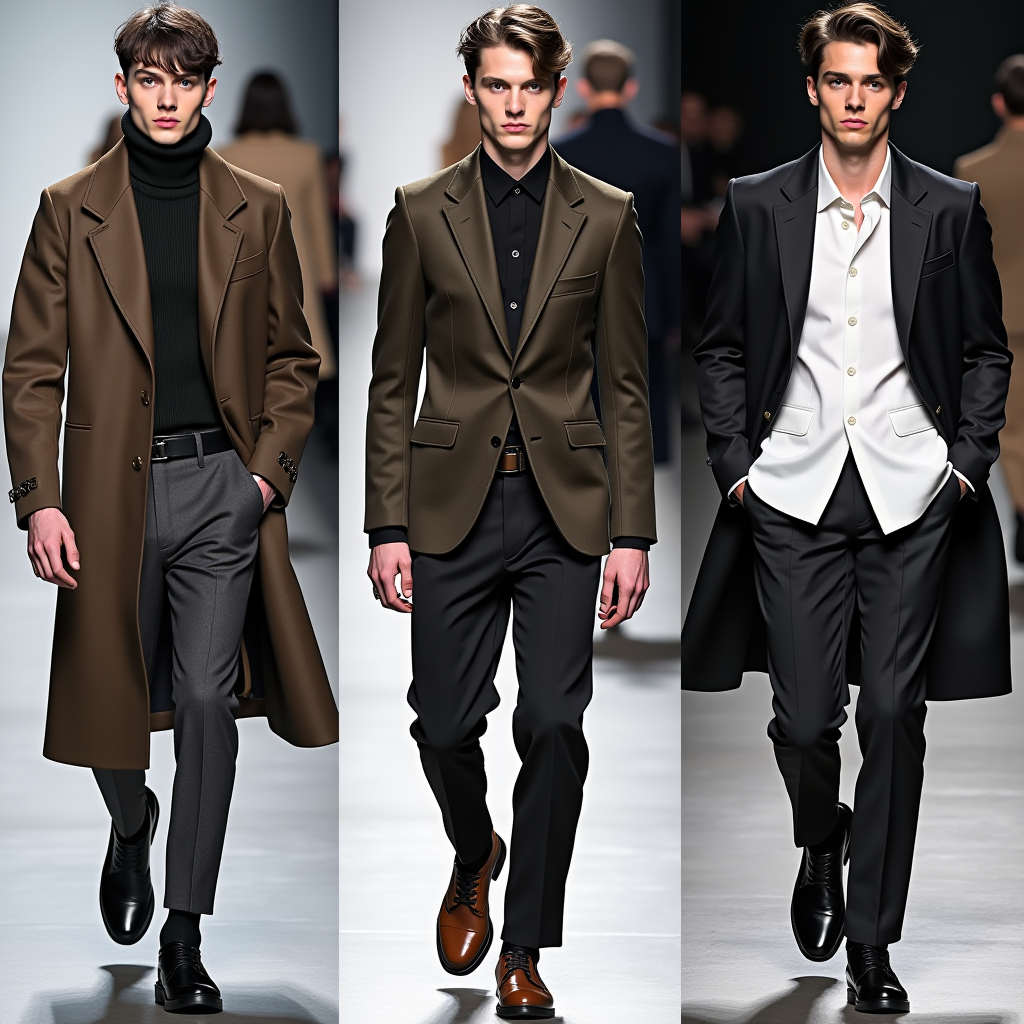
When the last thread of winter threads was stitched into Milan’s fashion narrative, the city’s iconic streets and showrooms buzzed with a renewed sense of purpose. Milan Fashion Week Men’s FW26 (FW26) has once again proven that Italy’s capital remains a magnet for creativity, commerce, and cultural exchange. In this post, we break down the event into five essential takeaways that reveal the pulse of the market, the evolution of design, and the future direction of menswear.

1. A Backdrop of Change: Market Dynamics and Industry Resilience
Key Market Shifts
- International buyers increased by 12% compared to the previous season, with a particular focus on emerging Asian and European brands.
- Retailers reported a 5‑point rise in consumer confidence, highlighting a stronger demand for curated menswear collections.
- Digital marketing campaigns integrated augmented‑reality previews, allowing consumers to explore fabrics in 3‑D before purchase.
International Buyers and Retail Dynamics
Rising from the front lines of Pitti Uomo, the influx of buyers from the U.S., China, and the Middle East reinforced Milan’s position as a global retail hub. The city’s manufacturing infrastructure—anchored by centuries of textile expertise—enabled swift production cycles that kept the event’s momentum strong.
Economic Context and Consumer Engagement
Economic resilience was a major theme throughout the week. As industry leaders highlighted the importance of continuity, Milan’s local chambers stressed the need for long‑term perspective, marrying creativity with savoir‑faire. This dynamic environment made the week a compact yet highly readable ecosystem for both designers and retailers.

2. Redefining Menswear Codes: From Traditional to Experimental
Prada’s Subversive Styling
Design Highlights
- Subtle yet striking slim‑fit suiting that showcases a softer shoulder line.
- Exterior garments feature understated embellishments—buttons, lapels, and subtle contrast stitching.
- Eastern design motifs influence the color palette, with muted earth tones balanced by bright accents.
Influence of Eastern Design Codes
Prada and partner Simons integrated traditional Eastern tailoring techniques—such as the use of fine‑tuned lapels and intricate pocket detailing—into the overall silhouette. This fusion of heritage and innovation created a unique visual language that resonated with both local and international audiences.

3. Brands Embraced the Winter Olympics: A Sportswear Renaissance
Ralph Lauren’s Standout Collection
Olympic Themes and Consumer Appeal
- Outerwear with subtle nods to the Winter Games—think layered vests, adjustable cuffs, and breathable fabrics.
- Color palette driven by a blue‑and‑silver scheme that references the Olympic ring.
DSquared2’s Canadian Flair
DSquared2 delivered a Canadian‑style collection that highlighted the importance of cross‑cultural design narratives. The collection’s “Sculpted” vests and angling boots added a rugged, yet polished aesthetic that captured the attention of buyers in North America.

4. Up Close With the Designers: Salon‑Style Showrooms and Personal Narratives
Paul Smith, Dunhill, Setchu, and Zegna
Designer Interviews and Inspirations
- Paul Smith emphasized the “slow‑fashion” philosophy, encouraging guests to touch fabrics and study construction details.
- Dunhill’s salon‑style showrooms allowed for a deeper connection with the audience, showcasing the brand’s new line of “slimmer” trousers.
- Setchu’s Satoshi Kuwata highlighted his love of fishing, integrating angling boots and utilitarian vests into the line.
Salon‑Style Showrooms and Personal Narratives
Across the city, designers chose a more intimate showroom approach, encouraging guests to experience fabrics up close. This approach not only elevated the consumer experience but also fostered stronger relationships between buyers, retailers, and designers.

5. Slimmer Silhouettes and New Styles: The Future of Menswear
Trends in Fit, Fabric, and Function
From Prada to Brunello Cucinelli
- Prada’s slim‑fit suiting introduced a new shoulder line that feels “comfortingly soft.”
- Brunello Cucinelli experimented with slimmer fitting pants in wool and cargos.
- Canali’s Sartorial Cocktail combined gray cashmere sweats with tailored pants and camel coats.
Sustainability and Digital Integration
Beyond the physical garments, Milan’s designers are pushing sustainability forward. Many houses incorporated recycled fibers, low‑impact dyes, and digital printing techniques. This trend points toward a future where menswear is not only stylish but also responsible.

Conclusion: Milan as a Hub of Creativity and Commerce
While Paris may boast a more extensive show schedule, Milan’s manufacturing horsepower ensures that Pitti Uomo and MFW Men’s continue to shape the market in meaningful ways. The week’s compact yet readable structure allowed for a true ecosystem of fashion, where creativity, savoir‑faire, and consumer engagement merged seamlessly.
In summary, Milan Fashion Week Men’s FW26 offered:
- Clear evidence that the city remains a place where menswear builds continuity.
- A renewed focus on slimmer silhouettes, creating a more refined look for the modern wearer.
- Olympic‑inspired collections that brought sportswear into the mainstream.
- Salon‑style showrooms that invited audiences to experience fabrics up close.
- Cross‑cultural design dialogues that pushed the boundaries of menswear codes.
Looking ahead, the city’s fashion community will likely continue to refine these trends, weaving sustainability, digital innovation, and global perspectives into the next generation of menswear.
Suggestion:
Revel in effortless trip planning: ParadisePilot AI does the work – click to revel!