It’s Very Heavy Metal—Going Deep With the Costume and Production Designers of 28 Years Later: The Bone Temple
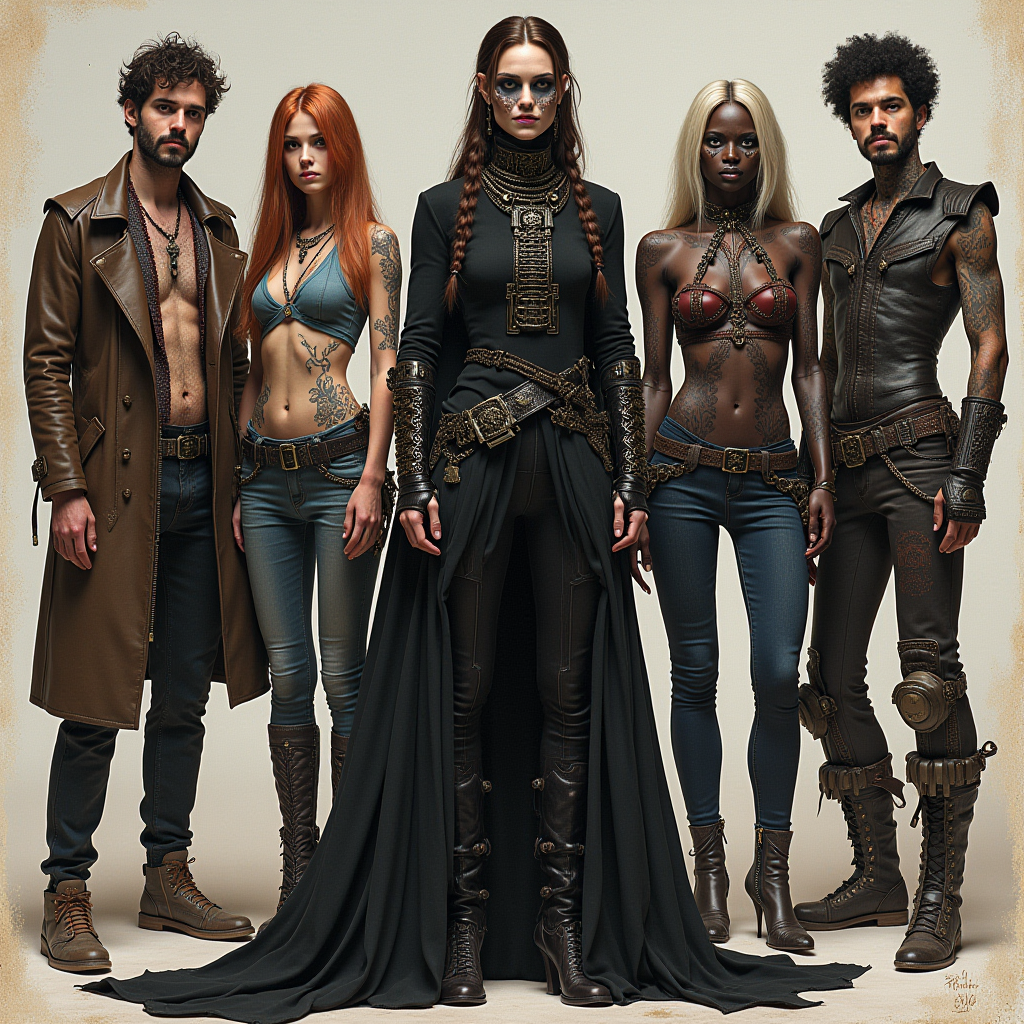
When the London‑based creative duo Gareth Pugh and Carson McColl were tapped by director Danny Boyle to lead the costume and production design for 28 Years Later: The Bone Temple, they knew they had a monumental task ahead. From a birds‑eye view, the world of the film has been reduced to a struggle for survival, but the designers had a clear vision: clothing must convey emotion, build character, and ground the story in a world that feels both raw and alive. In this post we take a deep dive into their creative process, the influences that shaped the Jimmies’ look, and how they turned scavenged fabrics into a visual language that speaks to the post‑apocalyptic zeitgeist.
1. The Creative Spark: From “Free Your Mind” to “The Bone Temple”
It all began in Manchester in 2023, when Pugh and McColl worked on a performance art piece called Free Your Mind, a Matrix‑inspired collaboration that caught the eye of Danny Boyle. “He was directing and we were essentially brought onboard to do costumes,” Pugh recalls, “and we didn’t hold back on voicing our opinions on certain things, which I think he really responded to.” Their partnership—both professional and personal—has been fueled by a shared love for anarchistic fashion and an unrelenting drive to push boundaries.
- Early inspiration: performance art, punk aesthetics, leather manipulation
- Transition to film: blending sleek post‑punk with scavenged, hand‑crafted details
- Hard + Shiny studio: collaborations with Lady Gaga, Beyoncé, and more
2. Visual Foundations: The Moodboard and Design Language
When the duo first surveyed their original moodboard for the two films, McColl compared their aesthetic goals to the iconic design of Stanley Kubrick’s A Clockwork Orange. “When you look back at films like A Clockwork Orange, where the design is so iconic, it gives you permission to watch the film knowing that you’re watching a movie and to actually understand or examine why these people are doing what they’re doing,” he says.
“The Jimmies are a tracksuit‑sporting hodgepodge gang of marauders led by actor Jack O’Connell that take the film’s protagonist Spike under their crooked wings.”
The moodboard was a collage of textures, colors, and references—from the gritty urbanism of Teletubbies to the hyperreal vibrancy of Power Rangers. The designers scoured charity shops in northeast England for scraps and samples, handcrafting countless multiples of each look to ensure that no detail was left behind.
Key Design Elements
- Gaudy cross jewelry and platinum mullets inspired by Guido Palau’s wig designs
- Hand‑stitched appliqués and stripe motifs for a distinctive silhouette
- Reappropriated trainers and T‑shirts for mask construction
3. The Jimmies: A Visual Narrative of Youth and Survival
At the heart of the film’s visual story are the Jimmies—a band of youthful survivors who dress in a bricolage of tracksuits and masks. Pugh and McColl wanted to make the clothing not just functional but emotionally resonant in a world where life has been reduced to function and survival.
3.1 Inspiration from Youth Cultures
McColl notes that their research into youth cultures and isolationist cults was crucial for building the Jimmies’ internal logic. “We looked a lot at the photography of Derek Ridgers and looked at these quite aggrieved youth cultures that were building their own iconography,” he says.
3.2 The Mask: From Concept to Reality
Danny Boyle gave the designers a brief to create masks that would evoke a sense of “executioner” style. Pugh and McColl used reappropriated trainers and T‑shirts to build these masks, adding a layer of symbolic meaning to the Jimmies’ look.
Design Process Highlights
- Concept sketches and moodboards (September 2023)
- Sample sourcing from local charity shops (October 2023)
- Hand‑sewing workshops and pattern development (November 2023)
- Final fittings and on‑set adjustments (December 2023)
4. From “Cut and Shuts” to Heavy Metal: The Technical Craft
One of the most intriguing aspects of Pugh’s design approach is his use of the “cut and shut” technique—a method that blends the front and back ends of a car involved in an accident, merged together in a violent, yet elegant fashion. This technique was adapted to the Jimmies’ clothing to give a sense of movement and resilience.
4.1 Materials and Techniques
- Primary fabric: leather, denim, and recycled T‑shirts
- Hand‑stitched appliqués for detailing
- Cross jewelry and platinum mullets for visual impact
- Color palette: muted greys, deep blues, and metallic accents
4.2 Emotion in Fabric
In a post‑apocalyptic world, clothing is more than mere covering—it’s a narrative tool. By layering textures and adding symbolic jewelry, Pugh and McColl created garments that speak to the characters’ survival instincts and inner emotions.
5. The Big Picture: A Filmic Journey from 28 Years Later to The Bone Temple
While 28 Years Later is a hero’s journey told in a visually radical way, The Bone Temple сатып takes that journey into a deeper, more intimate narrative. Pugh and McColl wanted to ensure that the clothing throughout the group of Jimmies carried a consistent design language that echoed across the entire film.
“The Jimmies used a lot of knives and it was this kind of vicious design language that we hoped to use throughout that group,” Pugh explains. “It’s then mixed with this very delicate hand sewing that holds all of these pieces together.”
5.1 On‑Set Collaboration with Nurturing Fashion
In the weeks leading up to the film’s release, the designers also drew inspiration from contemporary fashion trends, such as the neon‑yellow mullets seen in the Dior collection. “Did you get a chance to see the collection?” McColl asks, showing his enthusiasm for blending high fashion with street‑style grit.
5.2 Final Thoughts and Future Directions
Pugh and McColl’s work on The Bone Temple demonstrates that fashion can be both an art and a science—an emotional language that connects characters to their world. Their process—from sourcing local fabrics to hand‑stitched detailing—shows that even in a world of scarcity, style can thrive.
Stay tuned for more behind‑the‑scenes looks, exclusive interviews, and upcoming trend forecasts that will keep you on top of the latest in fashion and lifestyle.

Suggestion:
Delight in your dream vacation, planned by AI – click to delight!