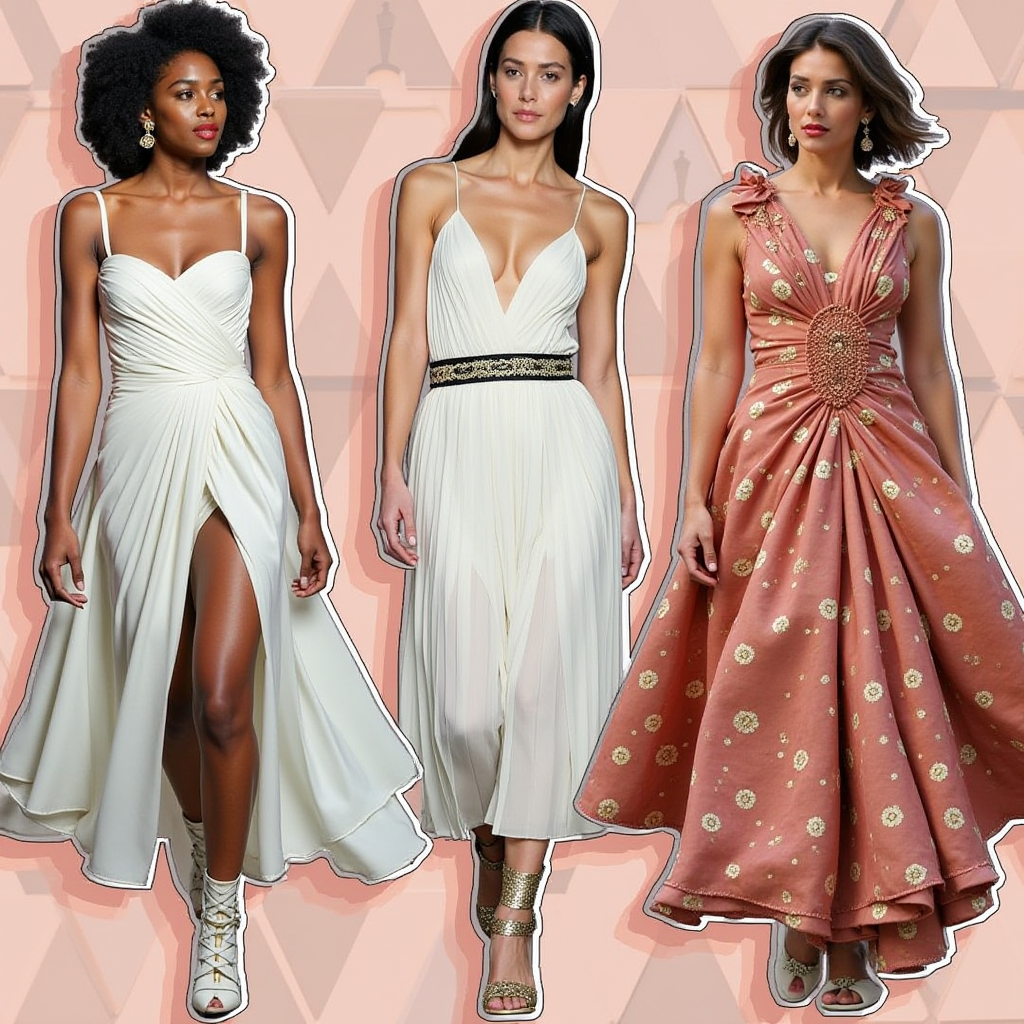
Ahead of the 2026 Oscar Nominations: What the Editorial Team Foresees for Best Costume Design
With the 2026 Oscar nominations looming on January 22, the fashion world is abuzz with speculation about which films will capture the coveted Best Costume Design award. Our team of style editors has spent countless hours poring over trailers, behind‑the‑scenes footage, and costume sketches to pinpoint the projects that stand out in both creativity and craftsmanship. Below, we present a comprehensive look at the contenders that we believe will earn a nomination and, ultimately, a win.
Why Costume Design Matters in 2026
Costume design is the unsung hero that brings a film’s visual narrative to life. It shapes character, mood, and atmosphere, often influencing the audience’s emotional response more than any other production element. In 2026, the industry’s appetite for diverse styles—from period pieces to contemporary pop culture—has never been stronger. The films on our radar cover a wide spectrum of genres, ensuring that the Best Costume Design category will be as dynamic as the stories themselves.
Our Top Picks for Best Costume Design
- Wicked: For Good – Paul Tazewell
- Frankenstein – Kate Hawley
- Marty Supreme – Miyako Bellizzi
- The Testament of Ann Lee – Malgorzata “Gosia” Karpiuk
- Sentimental Value – Joachim Trier
- KPop Demon Hunters – Huntrix
- Hamnet – Malgosia Turzanska
Wicked: For Good – Paul Tazewell’s Fantastical Vision

Tazewell’s work showcases an intricate blend of texture and color that pays homage to the film’s mythic roots while remaining grounded in contemporary fashion sensibilities. Key highlights include:
- Use of sustainable fabrics: organic cotton, silk, and recycled wool.
- Color palette dominated by deep greens and gold accents.
- Layered silhouettes that accentuate movement and posture.
- Attention to detail in jewelry and accessories.
Kate Hawley’s Gothic Mastery in Frankenstein

Hawley’s approach leans heavily into the film’s atmospheric tone, using muted tones and rich textures to create a sense of gravitas. The design is characterized by:
- Intricate lacework and embroidered motifs.
- Heavy use of dark reds and charcoal, balanced with pale ivory.
- Long, flowing skirts that emphasize fluidity.
- Custom-made headpieces that echo the film’s central character.
Miyako Bellizzi’s 1950s Ping‑Pong Reimagining in Marty Supreme

Bellizzi brings a playful yet sophisticated touch to Marty Supreme, blending classic 1950s silhouettes with a contemporary twist. Her design is notable for:
- Wide‑legged trousers paired with open‑buttoned blouses.
- Bold use of pastel colors, especially lilac and mint.
- Subtle embroidery and appliqué details.
- A fishnet fascinator that adds a touch of glamour.
Malgorzata “Gosia” Karpiuk’s Shaker Revival in The Testament of Ann Lee

Karpiuk’s work is a masterclass in artisanal craftsmanship, with an emphasis on natural fabrics and hand‑stitched details. Highlights include:
- Hand‑woven wool and linen combinations.
- Color palette inspired by Caravaggio and William Hogarth.
- Shaker‑inspired patterns and silhouettes.
- Use of natural dyes for a subtle, earthy tone.
Sentimental Value: Cozy Sweaters for a Cozy Story

Joachim Trier’s film is a celebration of home and family, and the costumes reflect this intimate atmosphere. The design focuses on:
- Gabled houses and knitted textures.
- Two sisters’ wardrobe in woven tanks and knits.
- Soft, muted colors that evoke nostalgia.
- Subtle accessories that tie the narrative together.
KPop Demon Hunters: The Cartoon Couture of 2026

Huntrix’s designs bring a fresh, cartoonish edge to the genre, with bold silhouettes and vivid color schemes. Key aspects include:
- Powerful, sharp‑shouldered silhouettes.
- Lilac braids and Vuitton‑style accessories.
- Layered, textured fabrics that move with the characters.
- Custom headpieces Khmer‑inspired for each hero.
Hamnet: A Sustainable Classic in 19th‑Century Fashion

Malgosia Turzanska’s approach to Hamnet is rooted in sustainable practices, with a focus on lightweight, breathable fabrics. Her design emphasizes:
- Recycled wool and organic cotton blends.
- Gold‑accented accessories.
- Long, flowing skirts for dynamic movement.
- Custom‑made headpieces that echo the film’s central character.
In‑Depth Look: Staff Insights and Behind‑The‑Scenes Highlights
“The costumes in Wicked: For Good are a testament to Paul Tazewell’s skill in marrying texture and movement,” says our style editor, Elena Hart. “We’re confident that his work will resonate with both critics and audiences alike.”
Below is a quick reference table that summarizes the standout features of each contender’s costume design. This will help you track each film’s progress as the nominations draw closer.
| Film | Designer | Fabric Mix | Color Palette | Key Motif |
|---|---|---|---|---|
| Wicked: For Good | Paul Tazewell | Organic cotton, silk, recycled wool | Deep greens, gold accents | Layered silhouettes |
| Frankenstein | Kate Hawley | Dark reds, charcoal, ivory | Intricate lace, embroidered headpieces | Long skirts, custom headpieces |
| Marty Supreme | Miyako Bellizzi | Lilac, mint, pastel accents | Wide trousers, open‑blouses | Fishnet fascinator |
| The Testament of Ann Lee | Malgorzata Karpiuk | Caravaggio‑inspired earthy tones | Shaker patterns, hand‑stitched details | Natural dyes, woven textures |
| Sentimental Value | Joachim Trier | Muted colors, knitted textures | Gabled houses, woven tanks | Soft accessories |
| KPop Demon Hunters | Huntrix | Lilac braids, Vuitton‑style accessories | Sharp‑shouldered silhouettes | Custom headpieces |
| Hamnet | Malgosia Turzanska | Gold‑accented fabrics | Long skirts, lightweight blends | Custom headpieces |
Editor’s Note
As the nomination deadline approaches, we’ll continue to refine our predictions based on new releases, interviews, and production updates. Keep an eye on the official Oscar website for confirmation, and be sure to revisit this article for the latest developments.
“We’re excited to see how these designers will be celebrated at the awards ceremony,” says Elena Hart, chief style editor. “May the Best Costume Design award go to the film that best captures the spirit of 2026.”
Suggestion:
Beach Getaways, Mountain Adventures, City Breaks—one AI plans them all – click to discover!