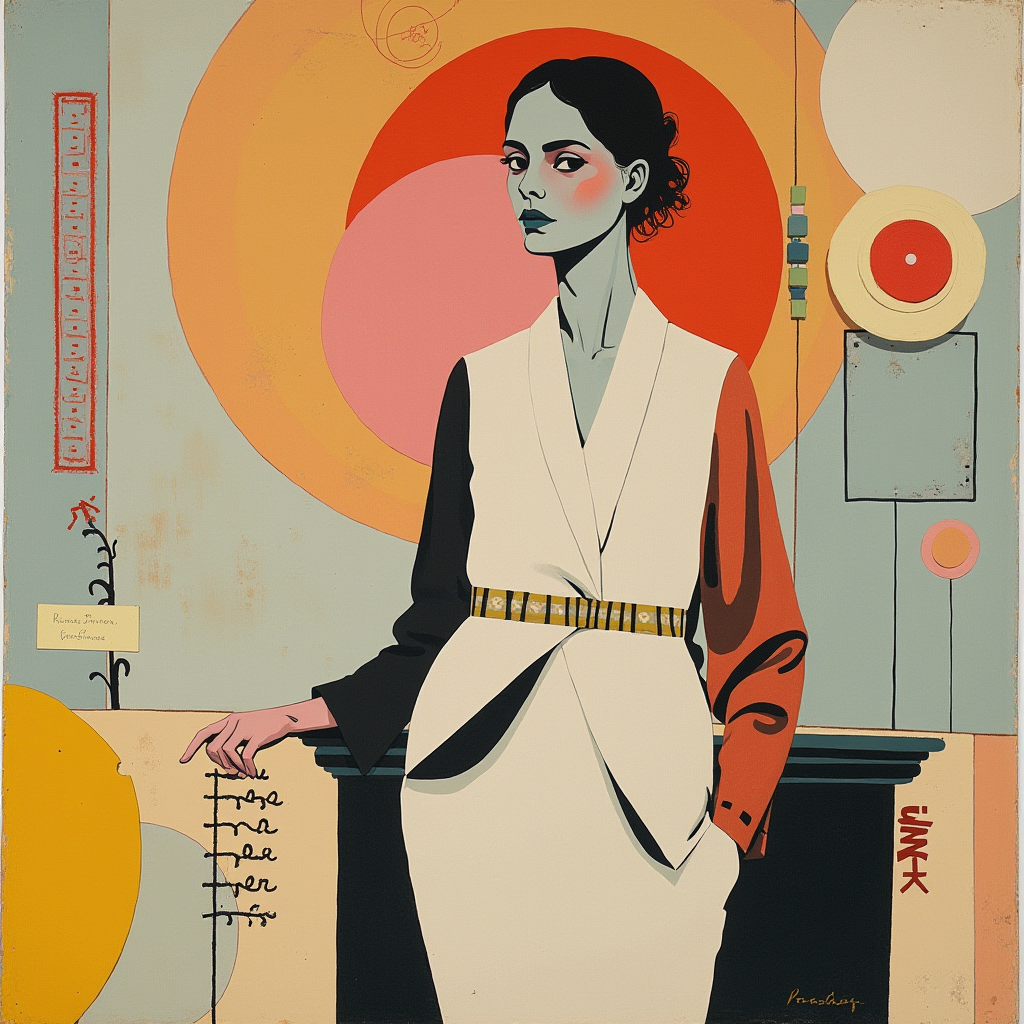
An Exhibition at the Met May Just Make Finnish Modernist Helene Schjerfbeck Your New Favorite Artist
More than a century after her first solo show in 1917, the Metropolitan Museum of Art has opened its doors to a new generation of art lovers with the exhibition Seeing Silence: The Paintings of Helene Schjerfbeck. Running through April 5, 2026, this show is a deep dive into the life, vision, and legacy of one of Finland’s most celebrated painters. In this post, we’ll explore the context of the exhibition, highlight key works, and share some personal reflections on what makes Schjerfbeck’s art so compelling.
Why Helene Schjerfbeck Matters Today
Helene Schjerfbeck (1862‑1946) is a name that has been quietly revered in the Nordic art world, but her influence is only now spilling over into the global stage. The Met’s new exhibition does more than showcase her paintings—it contextualizes them within the broader currents of modernist art and offers a fresh perspective on how her work continues to resonate with contemporary audiences.
Historical Context
- Born in Helsinki, Schjerfbeck was a child prodigy who began painting at the age of four.
- She received her first grant at 18, which allowed her to study in Paris and travel across Europe and England.
- After a decade of artistic exploration in Paris, she returned to Finland in the 1890s and settled in Helsinki before moving to the rural town of Hyvinkää in the early 1900s.
- In 1923 she relocated to the seaside town of Tammisaari, where she completed some of her most celebrated self‑portraits.
- Schjerfbeck’s work was exhibited posthumously at the Venice Biennale in 1956, marking the first time Finland was represented in the country’s inaugural pavilion.
Key Themes in Schjerfbeck’s Oeuvre
Schjerfbeck’s paintings are known for their melancholic quietude and unexpected animation. Her use of light, space, and volume creates a dialogue between the subject and the viewer, often leaving the latter feeling as though the work is still in motion.
Three main themes recur throughout her career:
- Portraiture – from self‑portraits to intimate studies of friends and family.
- Still lifes – especially those that combine natural and man‑made elements in a harmonious composition.
- Landscape and seascape – scenes that capture the subtle interplay between light and shadow.
Highlights of the Met Exhibition
The exhibition features more than 30 paintings, including some of Schjerfbeck’s most celebrated works. Here’s a quick look at the key pieces that you should not miss:
1. Seeing Silence: The Paintings of Helene Schjerfbeck
This opening title sets the tone for the entire show, suggesting a sense of possibility that is both enigmatic and accessible. The exhibition’s curation invites visitors to experience the artist’s work as a living conversation.
2. Fête Juive (Sukkot), 1883
Oil on canvas, 45 1/4 × 67 11/16 in. This early painting demonstrates Schjerfbeck’s mastery of naturalism and genre painting, a style she refined in the Salons of Paris. The painting’s composition is both spare and expressive, with a color palette that speaks as loudly as the subject.
3. Girls Reading, 1907
Watercolor, gouache, and pencil on paper. 26 3/8 × 31 1/8 in. This intimate study showcases Schjerfbeck’s skill in capturing the subtle gestures of everyday life, while also hinting at the underlying rhythm that runs through her work.
4. Fragment, 1904
Oil on canvas, 12 3/8 × 13 3/8 in. A painting that Schjerfbeck considered particularly vulnerable, this work was painted after a trip to Italy to study Renaissance art. It is a testament to her ability to merge classical techniques with a modern sensibility.
5. The Tapestry, 1914‑1916
Oil on canvas, 35 1/4 × 36 1/4 in. This private collection piece was painted in Stockholm and showcases the artist’s evolving approach to light, space, and volume.
What Makes Schjerfbeck’s Work Unique?
Schjerfbeck’s art is a discovery in terms of exposure—she’s little‑known beyond the Nordics—and in the ways her work relates, by coincidence, to the digital age. Here’s why her paintings are worth exploring:
- Technical Mastery – Schjerfbeck’s brushwork is both precise and fluid, creating a sense of movement that feels alive.
- Emotional Depth – Her subjects are rendered with a depth that invites the viewer to engage with the painting on an emotional level.
- Modernist Vision – Schjerfbeck’s work bridges the gap between traditional realism and modern abstraction, making her a true pioneer of the modernist movement.
- Personal Touch – Her paintings often include personal motifs and motifs that reflect her own life and interests.
Plan Your Visit
Whether you’re an art history enthusiast or a casual museum-goer, the Met’s exhibition offers something for everyone. Here are a few tips for making the most of your visit:
- Arrive early to experience the show in a relaxed environment.
- Take a guided tour to learn more about the context of each painting.
- Keep an eye on the Met’s website for updates and special events.
- Consider purchasing a copy of the exhibition catalogue for a deeper understanding of Schjerfbeck’s work.
Conclusion
Helene Schjerfbeck’s paintings are a celebration of light, space, and volume. The Met’s exhibition provides a unique opportunity to experience the artist’s legacy in a new light. If you’re looking for a fresh perspective on modernist art, look no further than Seeing Silence.
Don’t miss the chance to see a Finnish modernist that may just become your new favorite artist. Visit the Metropolitan Museum of Art between now and April 5, 2026, and immerse yourself in the world of Helene Schjerfbeck.
Suggestion:
Santorini: Culture, Art & Caldera Classics